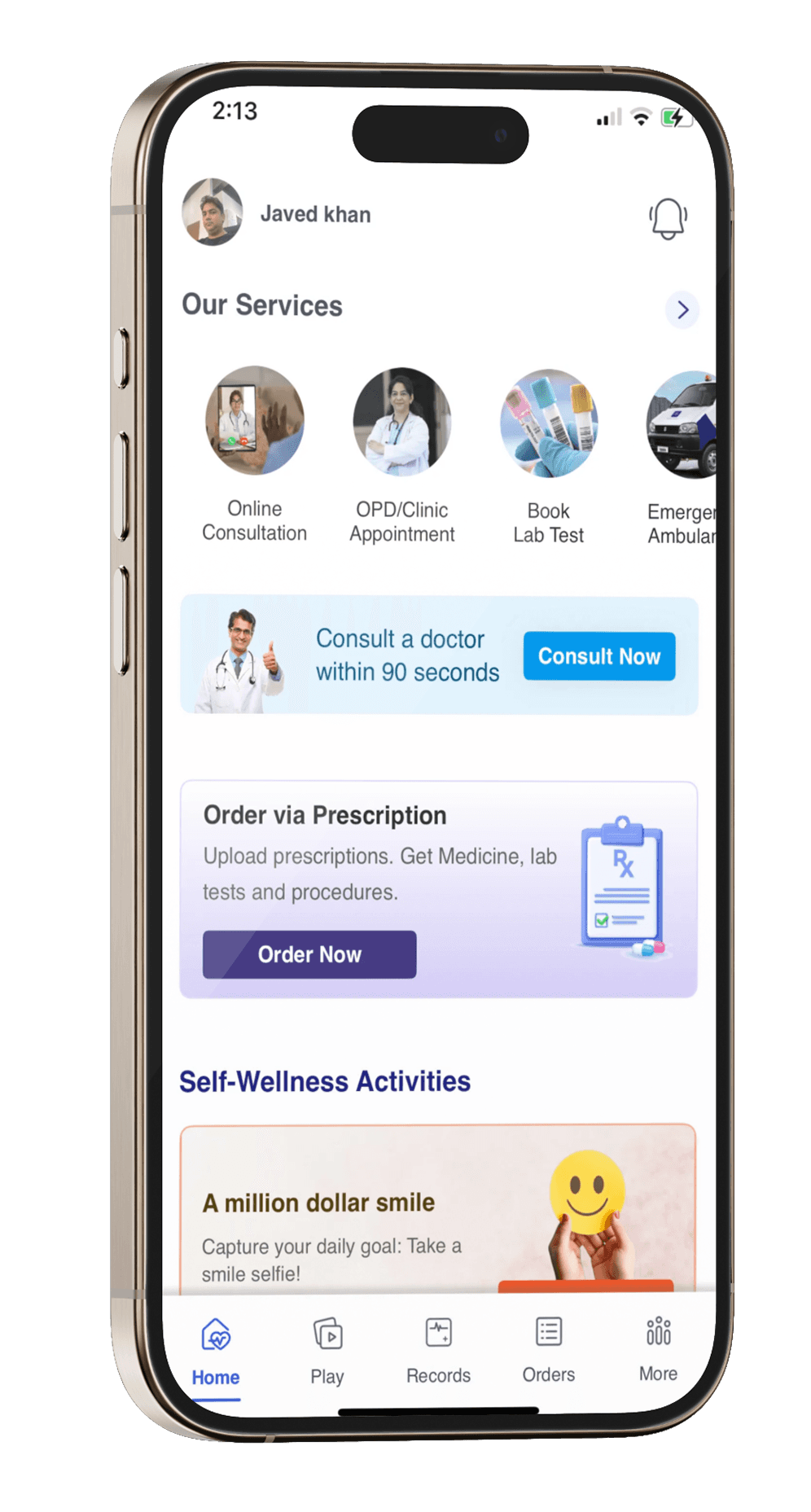

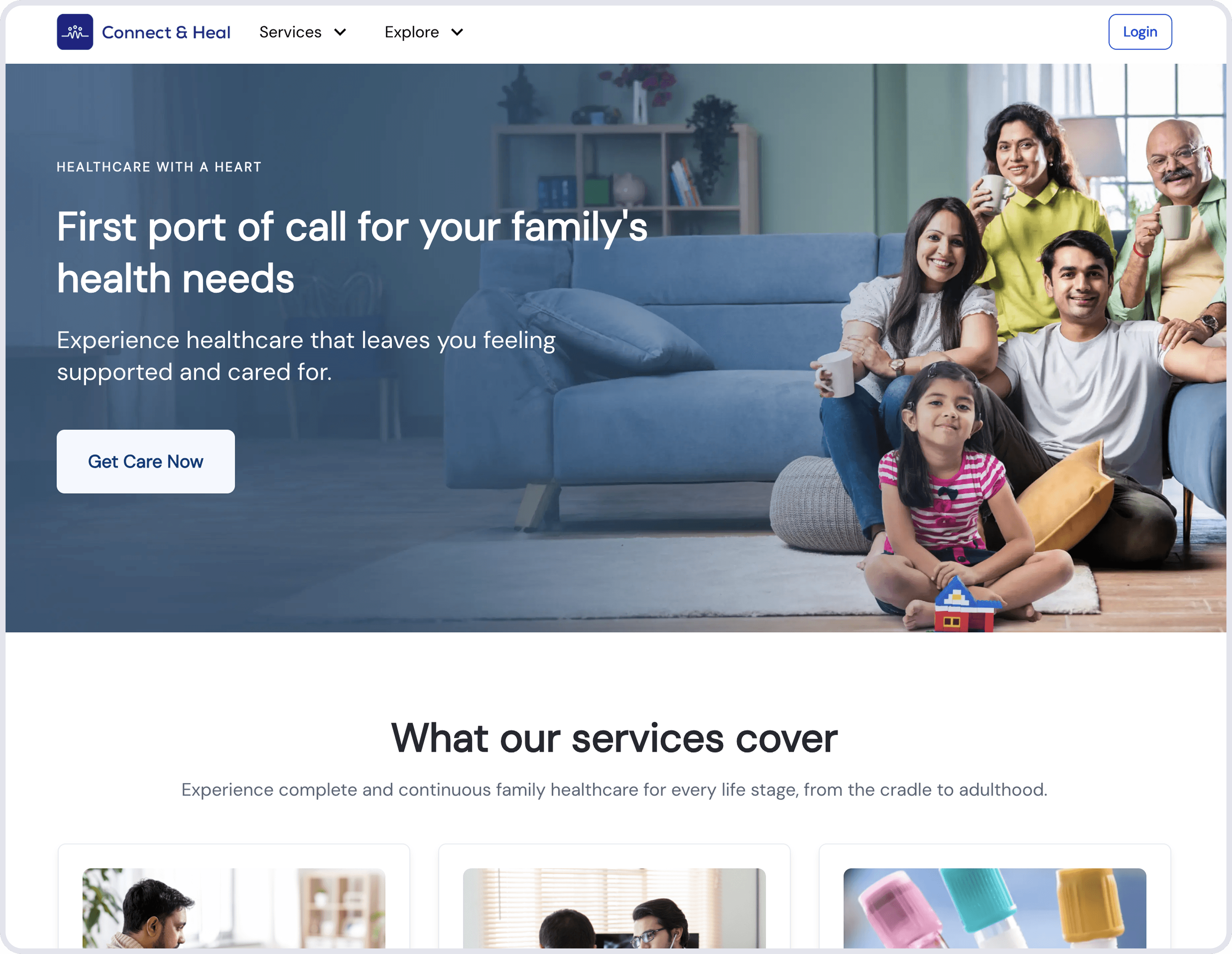
Experience complete and continuous family healthcare for every life stage, from the cradle to adulthood.
This case study highlights how I reimagined the Connect and Heal app, balancing innovation with practicality to enhance UX, for service discoverability, personalisation for all the health needs.
Key Outcome
172%
growth in
daily active users
50%
faster booking
of any service
20%
Effort saved on
Frontend Development
Key Challenges Uncovered
After deep-diving into stakeholder discussions, analyzing data, conducting heuristic evaluations, and listening to real customer calls, I uncovered five major design roadblocks
Fragmented Experience
A patchwork of inconsistent interfaces and clashing interactions left users frustrated.
No Design Backbone
Without a scalable system, maintaining consistency was slow and inefficient.
Isolated Design Team
Business, product, tech, and support operated in isolation, causing misalignment and inefficiencies.
Complex Workflows
Users struggled with convoluted processes, leading to confusion and high support requests.
Growth Bottleneck
The rigid design approach made scaling and iteration slow and resource-heavy
Immature Design Team
A small, inexperienced team of two lacked the expertise & structure needed to drive a high-impact redesign.
Viability
Engage Stakeholders
Create Roadmap for design
Feasibility
Usability
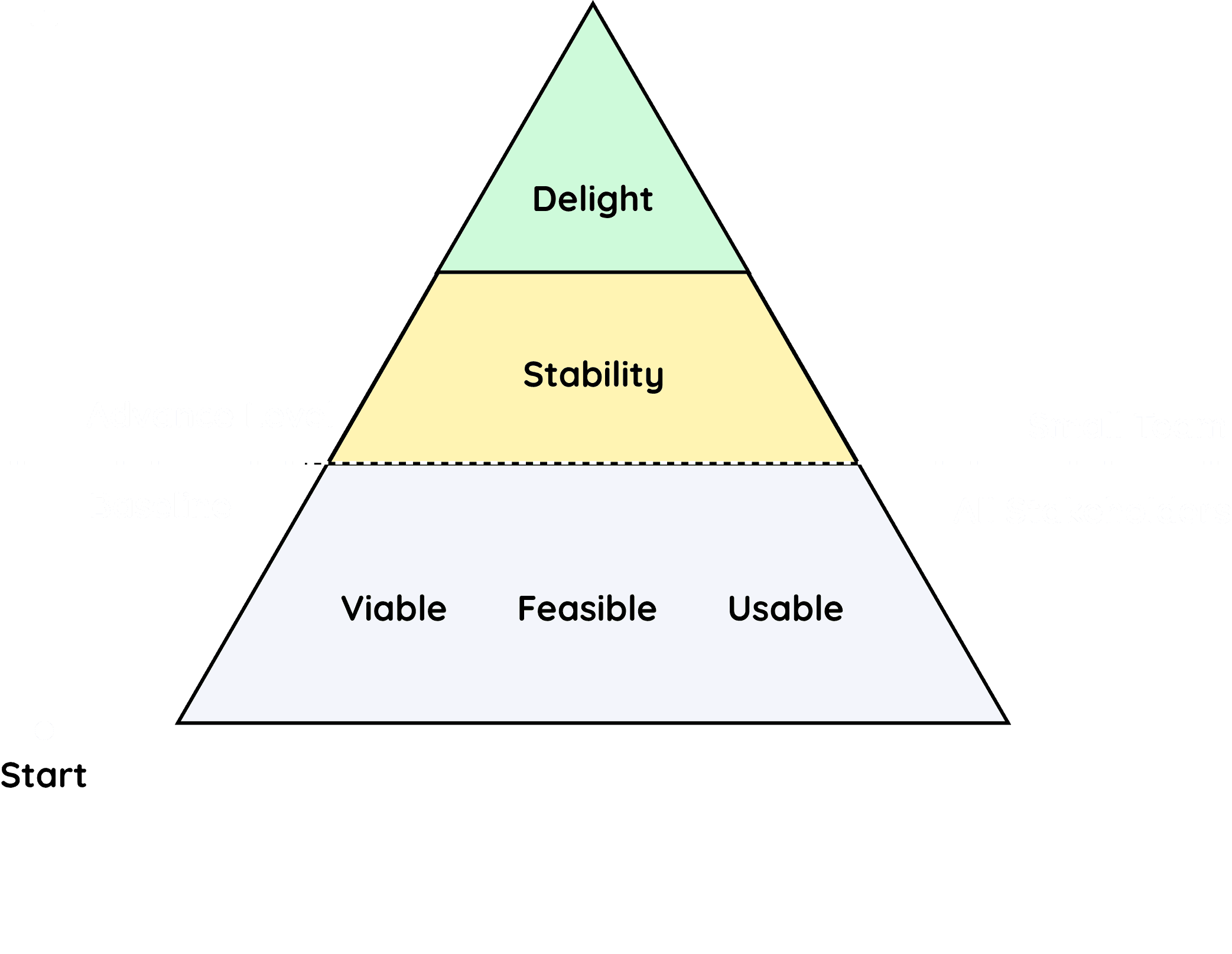
This structured approach significantly improved the signup process,making it more intuitive, compliant, and user-friendly.
Prepared Early: Did My Homework
I aligned with stakeholders upfront to anticipate concerns and minimize back-and-forth delays.
Kept Meetings Lean: Wasted No Time
I reduced unnecessary participants and assigned a coordinator to keep discussions focused and efficient.
Used the Right Channels: Communicated Wisely
I selected the best medium for each situation, quick chats for clarifications, meetings for critical discussions, and emails for documentation.
Prioritized Progress: Focused on What Mattered
Using the MoSCoW framework, I ensured we addressed high-impact issues first, avoiding delays caused by minor refinements.
Backed Decisions with Data: Showed, Didn’t Just Tell
I used research insights, usability data, and real-world examples to validate design choices and gain stakeholder confidence.
Built Trust: Strengthened Relationships
I established strong connections with key decision-makers, which helped resolve disputes quickly and speed up approvals.
First 2 Weeks
We aimed to generate innovative ideas that elevate customer experiences and unlock new business opportunities, free from technical constraints.
Hypotheses
Personalised Health Insights
Tailored recommendations based on user data will boost engagement and proactive health management
Seamless Booking & Tele-consultation
A simple appointment system with 24/7 virtual care will increase consultations and reduce ER visits
Wearable & Health Data Integration
Syncing fitness devices and medical records will enhance monitoring and treatment adherence
AI Symptom Checker & Medication Reminders Smart diagnostics and timely alerts will improve decision-making and prescription adherence
Community & Gamification
Peer support and rewards will drive motivation for healthier habits
Cost & Insurance Transparency
Clear pricing and coverage details will improve trust and decision-making in healthcare services.
Key Insights
User Interviews (30+ users)
Users struggled with navigation and lacked personalisation.
Internal Surveys (100+ employees)
60% found the UI unclear, making support inefficient.
Shadowing Customer Support (50+ cases)
70% of queries were due to platform confusion.
Competitor Analysis (5 players)
Rivals offered better navigation and personalisation.
Analytics (500K+ interactions)
40% drop-off during complex onboarding.
Audit of Past Designs (20+ UX issues)
Inconsistent patterns slowed user tasks.
UX Outcome
Next 4 Weeks
We aimed to generate innovative ideas that elevate customer experiences and unlock new business opportunities, free from technical constraints.
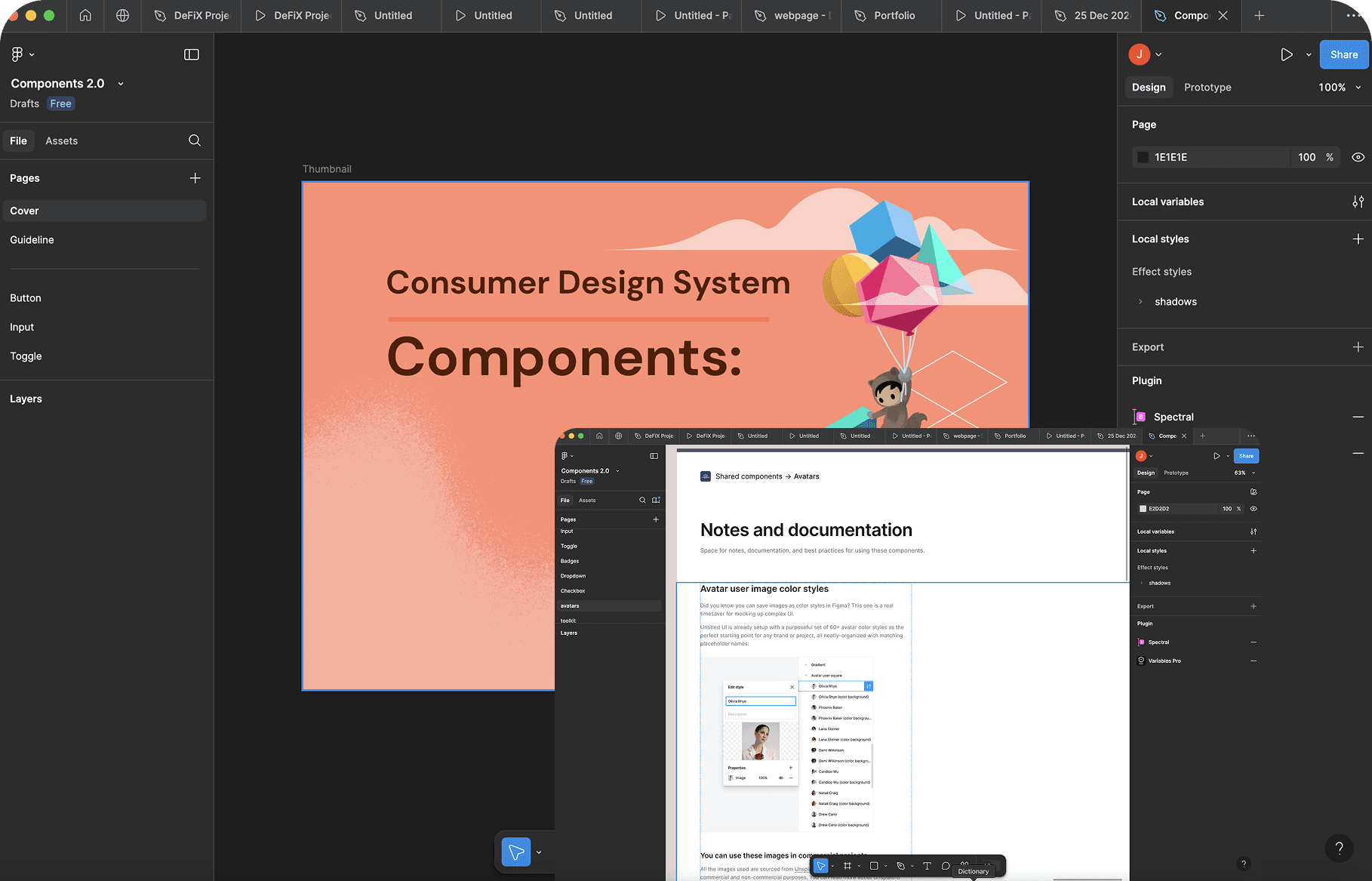
Established a scalable UI kit with reusable components, reducing design time by 50% and ensuring consistency across the platform.
UI Kit (Foundation of Design System)
UX Design
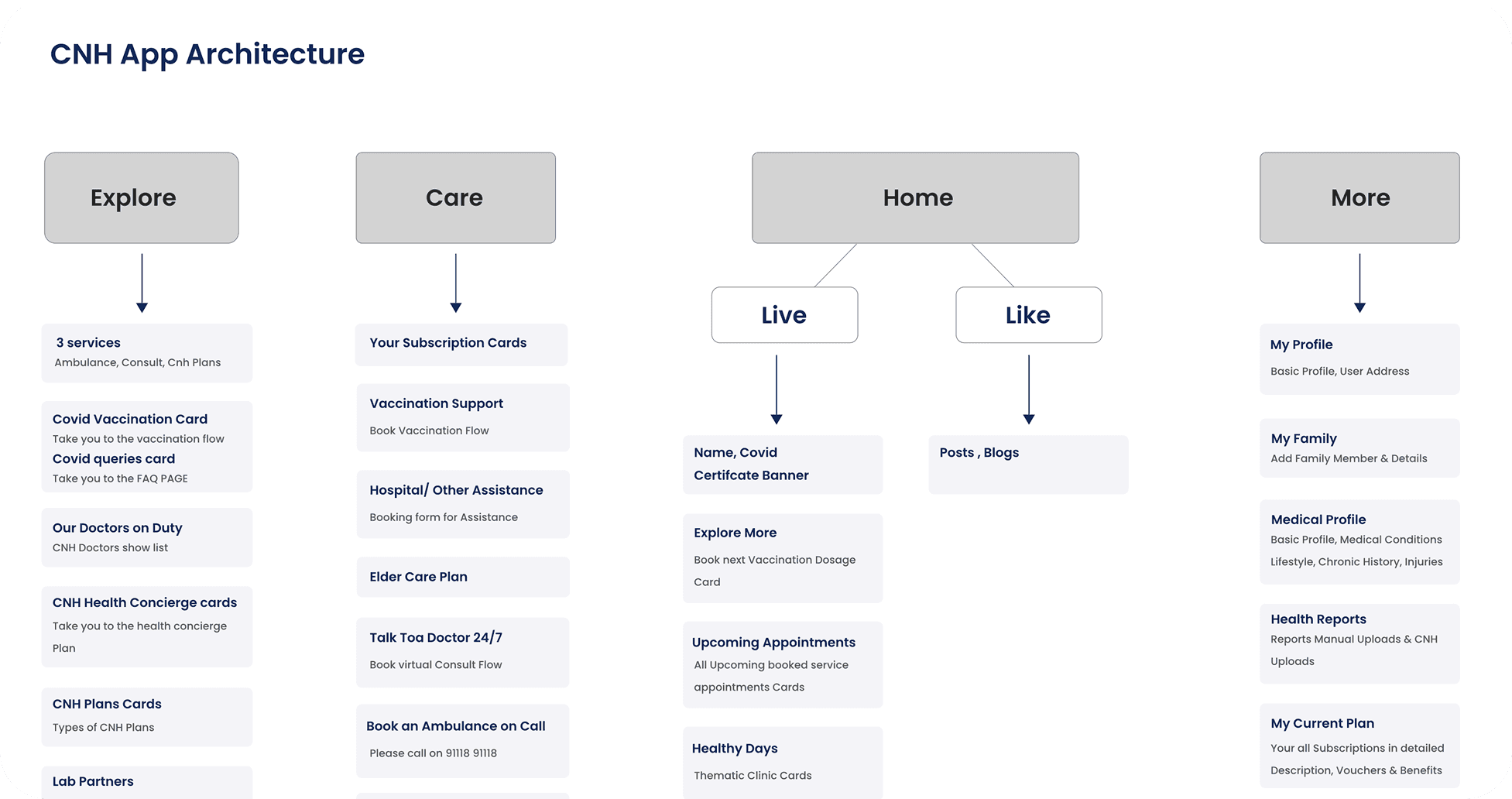
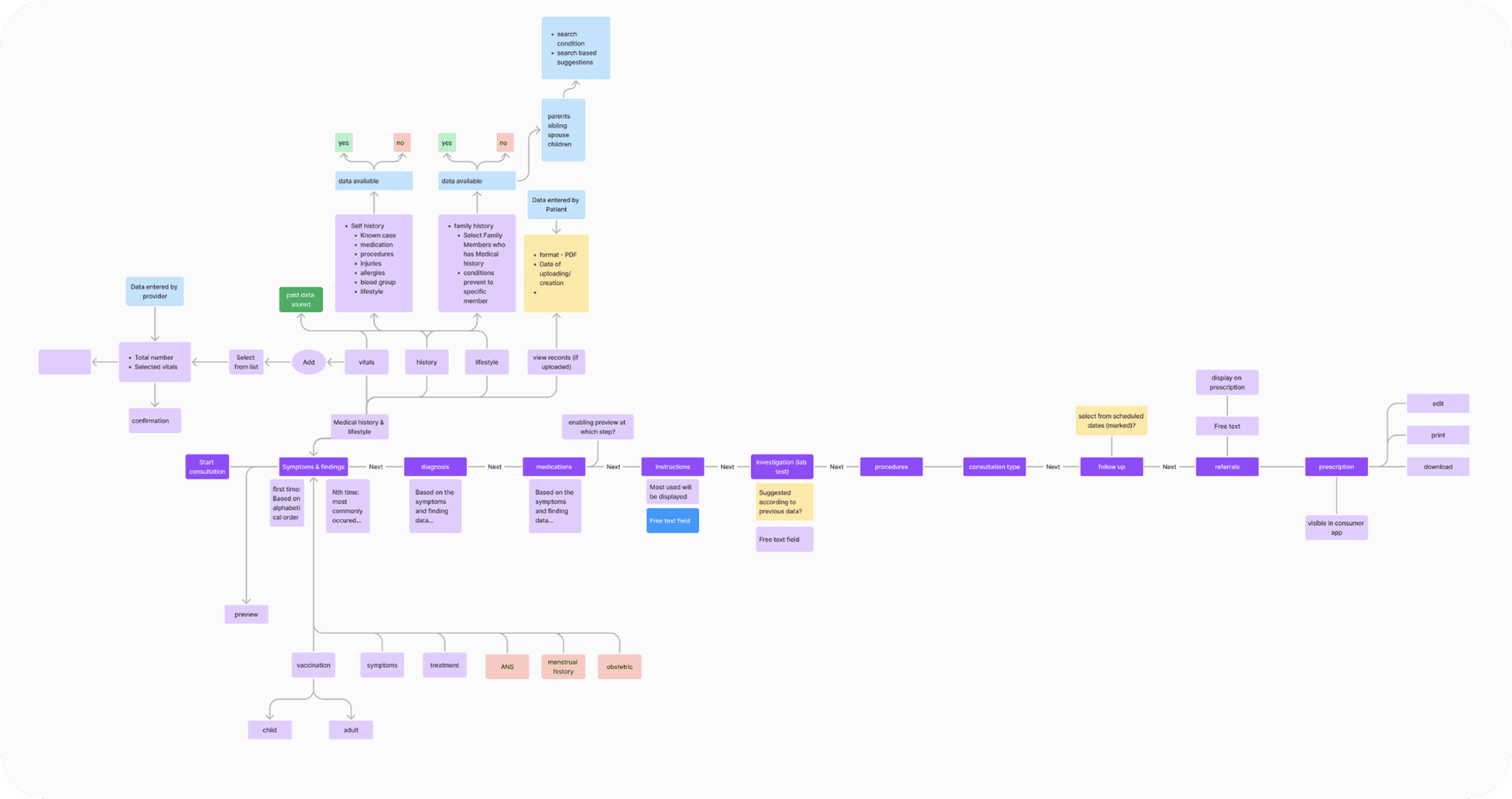
Simplified complex workflows, improving task completion rates by 40% and reducing user frustration through intuitive navigation and interaction patterns.
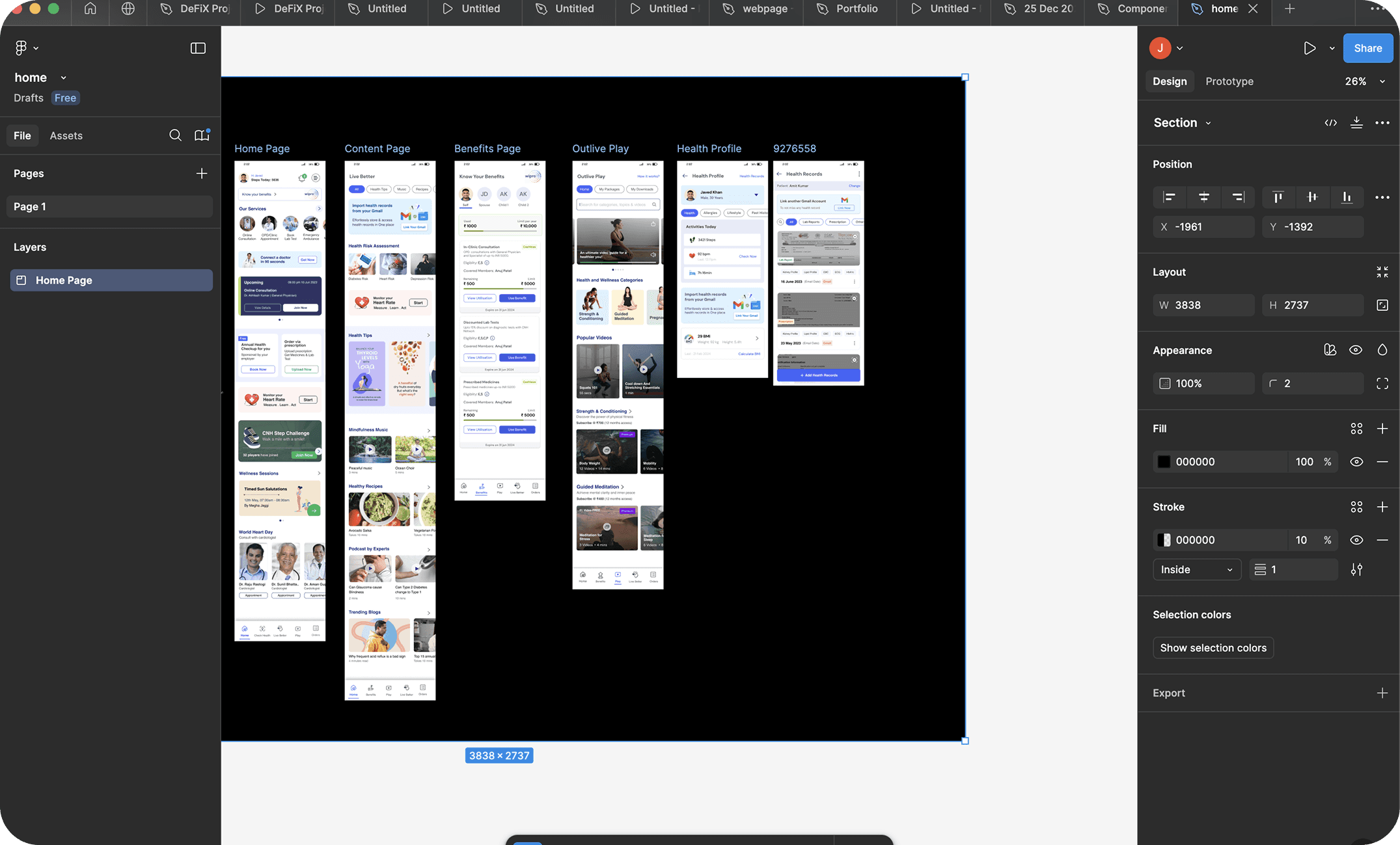
Created a modern, cohesive design system that reinforced brand identity, enhanced user trust, and improved readability, leading to a 25% increase in engagement.
Visual Design
Developed high-fidelity prototypes for rapid validation, enabling early stakeholder feedback and reducing costly iterations in development.
Prototyping
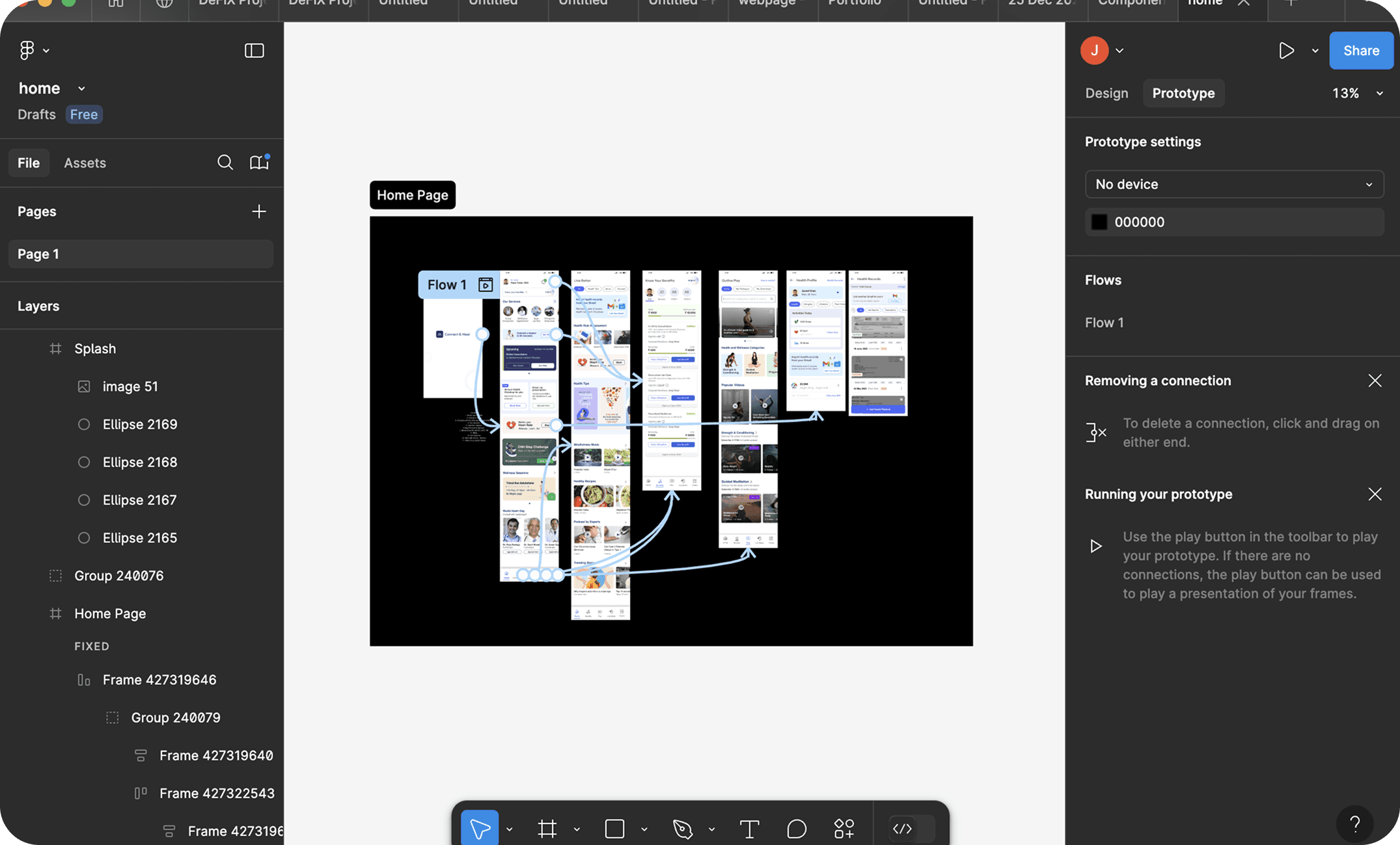
Conducted usability tests with real users, refining designs based on insights, which resulted in a 35% decrease in usability-related support requests.
Testing
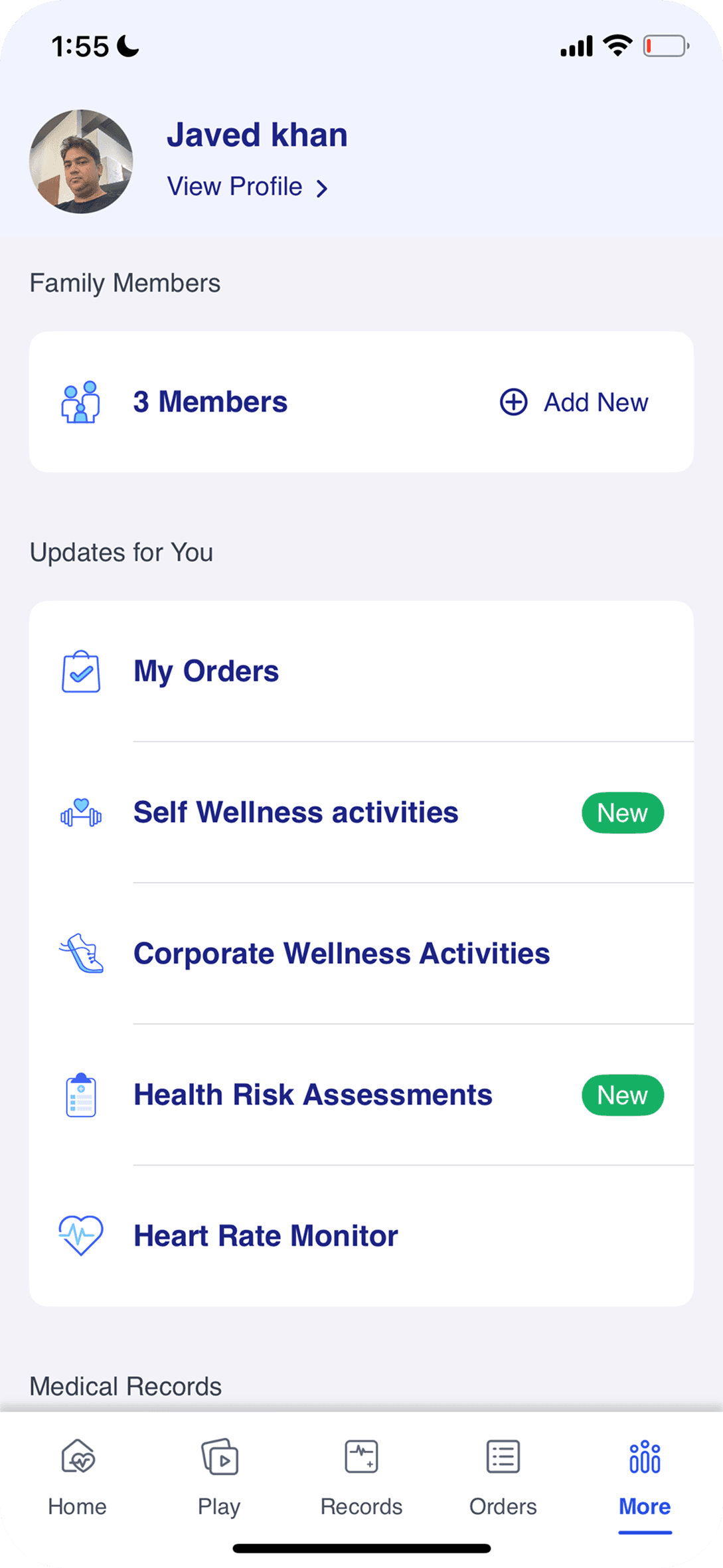
Tiny Details. Big Impact.
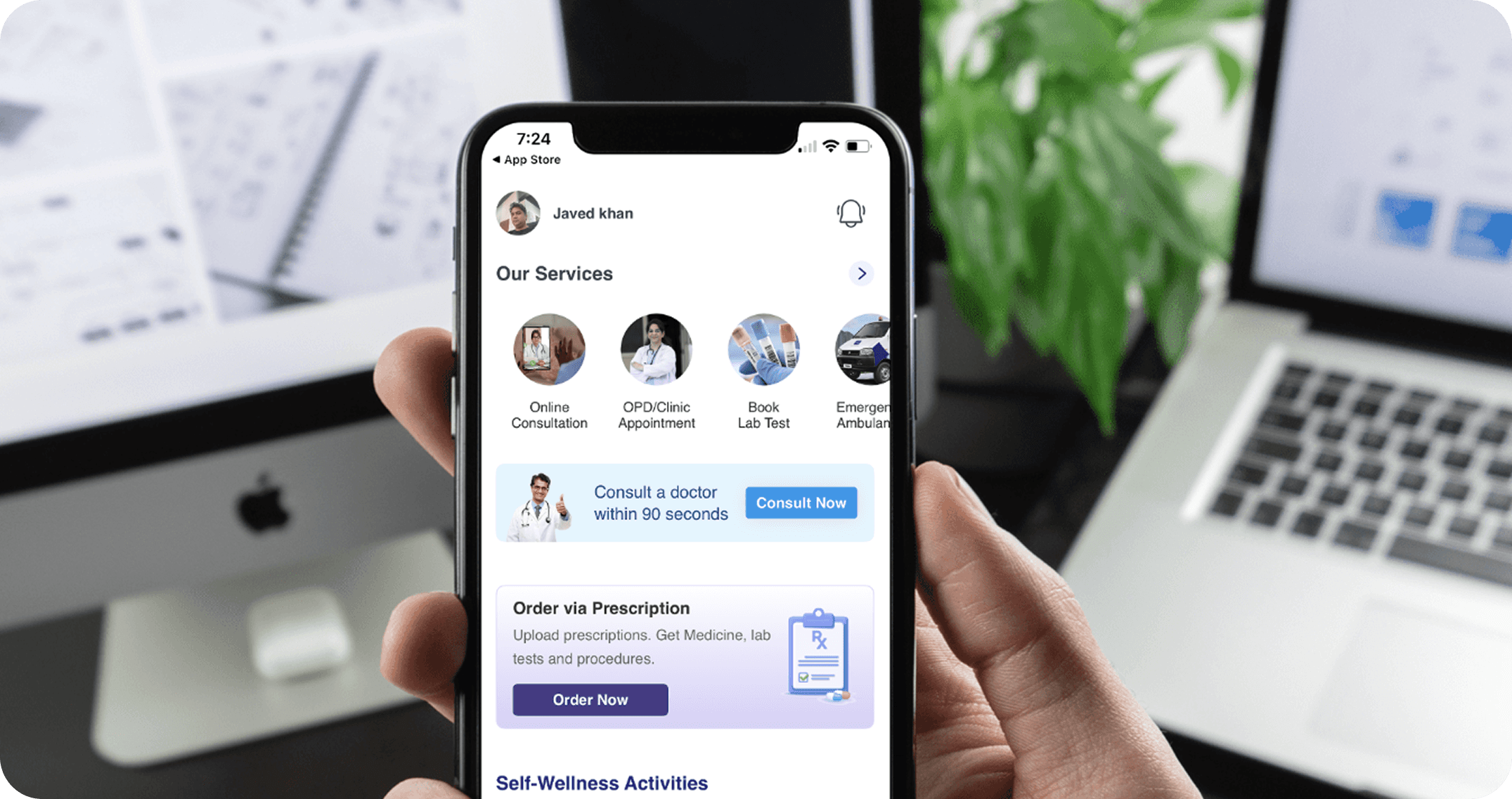
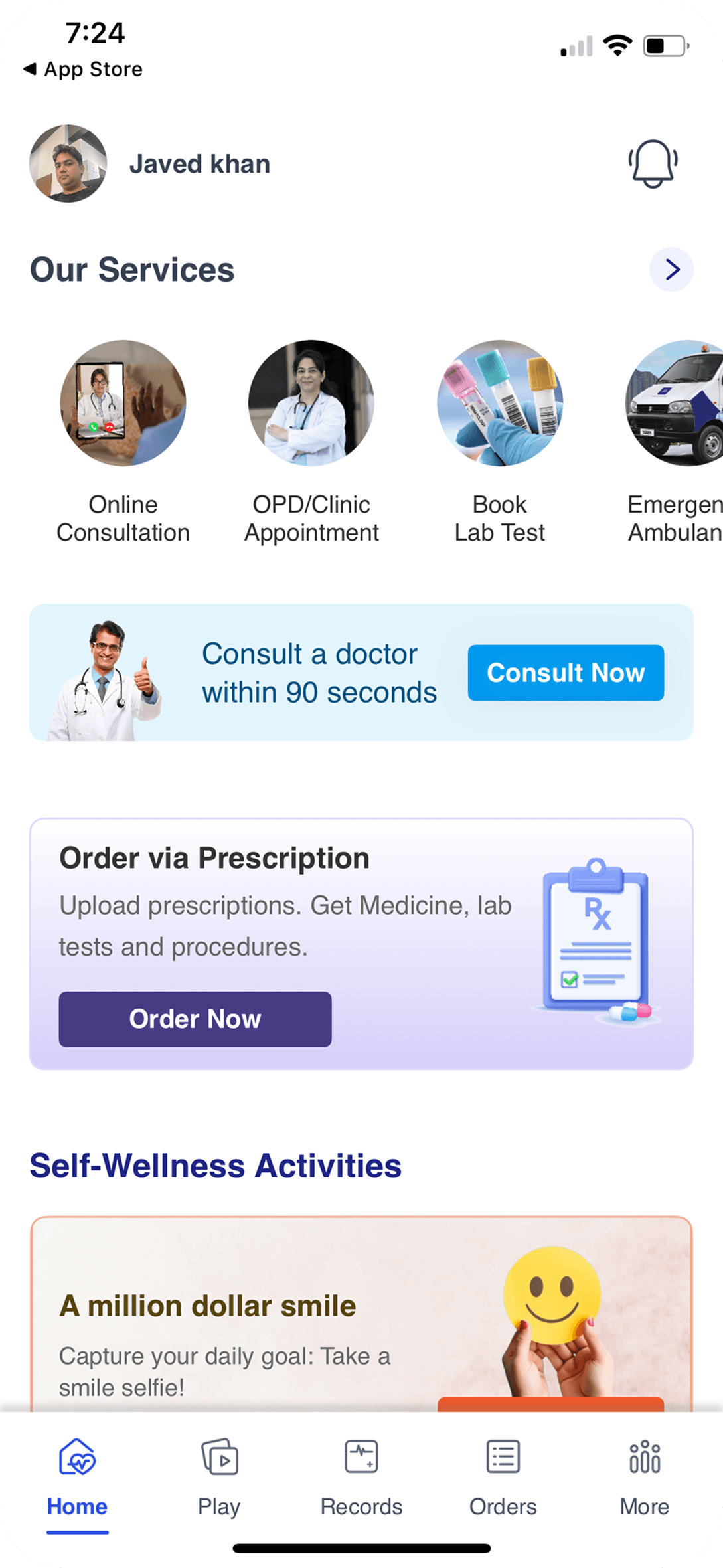
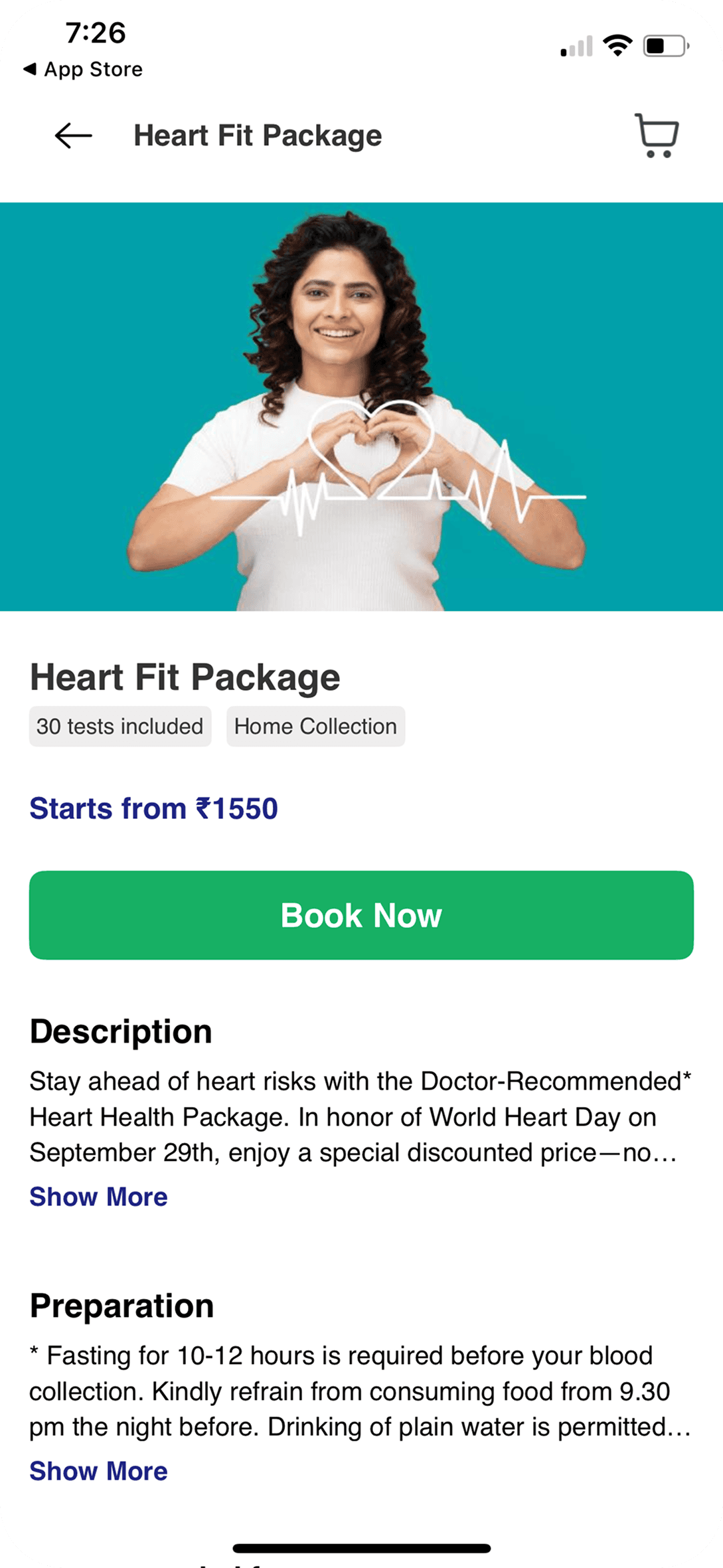
I refined my design approach by focusing on practical strategies over theory. This shift helped me make faster design decisions, especially in layout, typography, and visual hierarchy. By mastering subtle tweaks in spacing and contrast, I’ve been able to create clean, intuitive interfaces that prioritize clarity and ease of use.
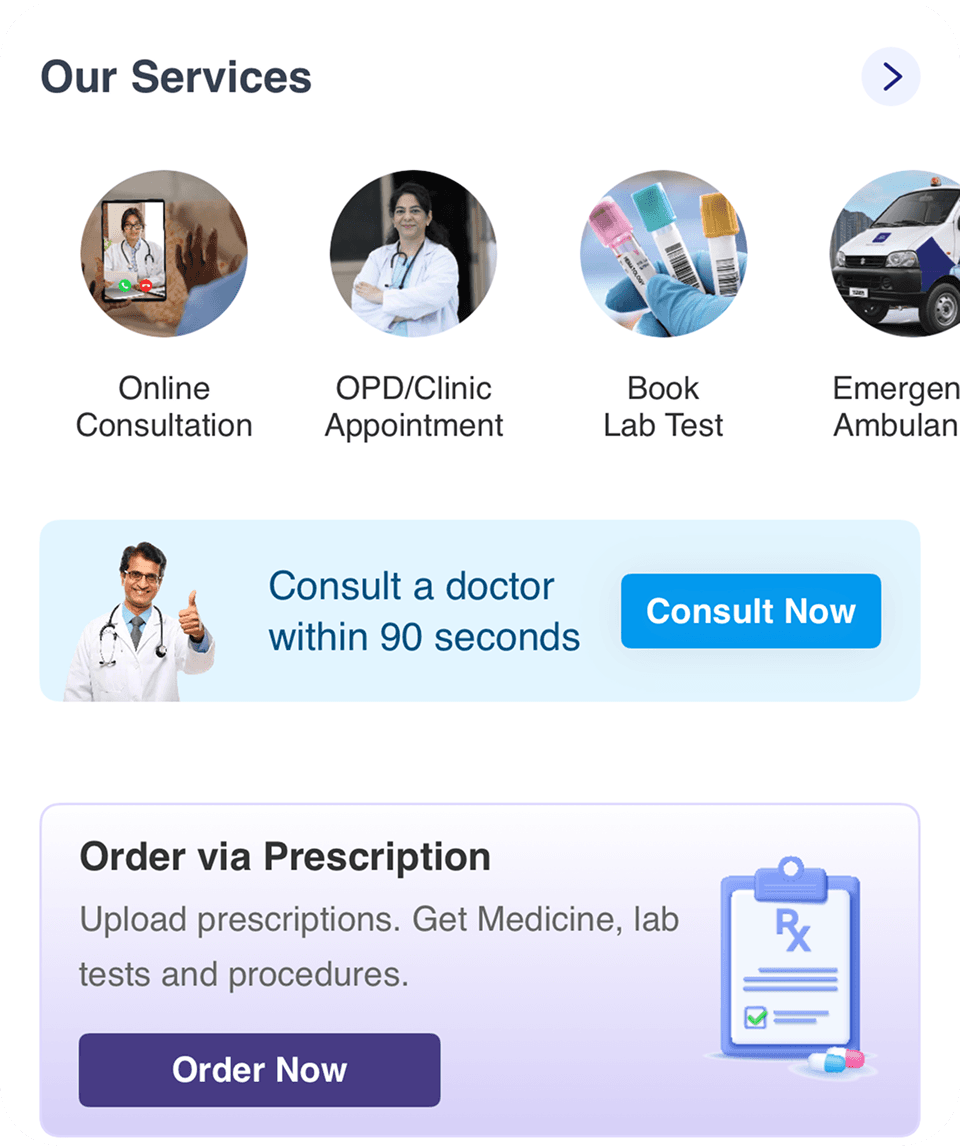
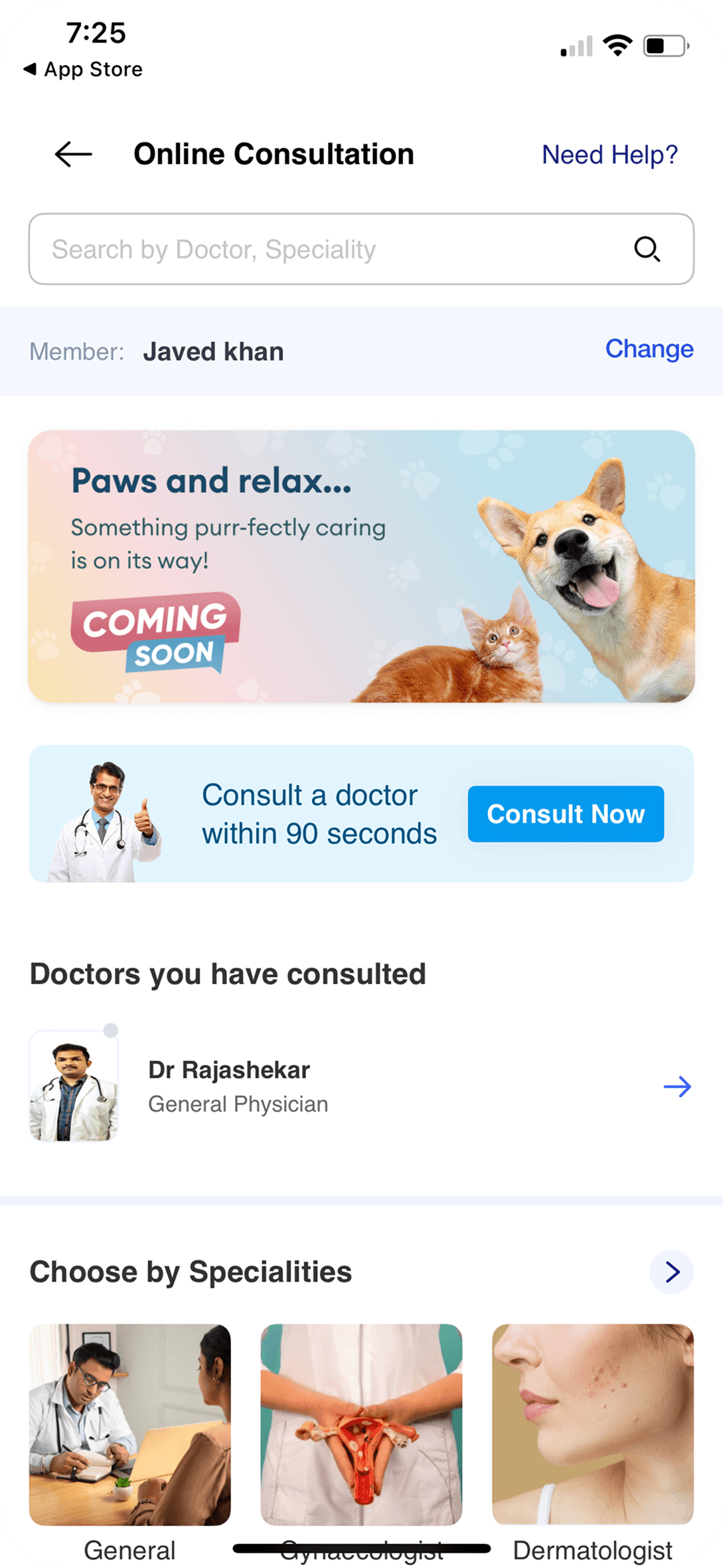
Most important actions on the first scroll of the app
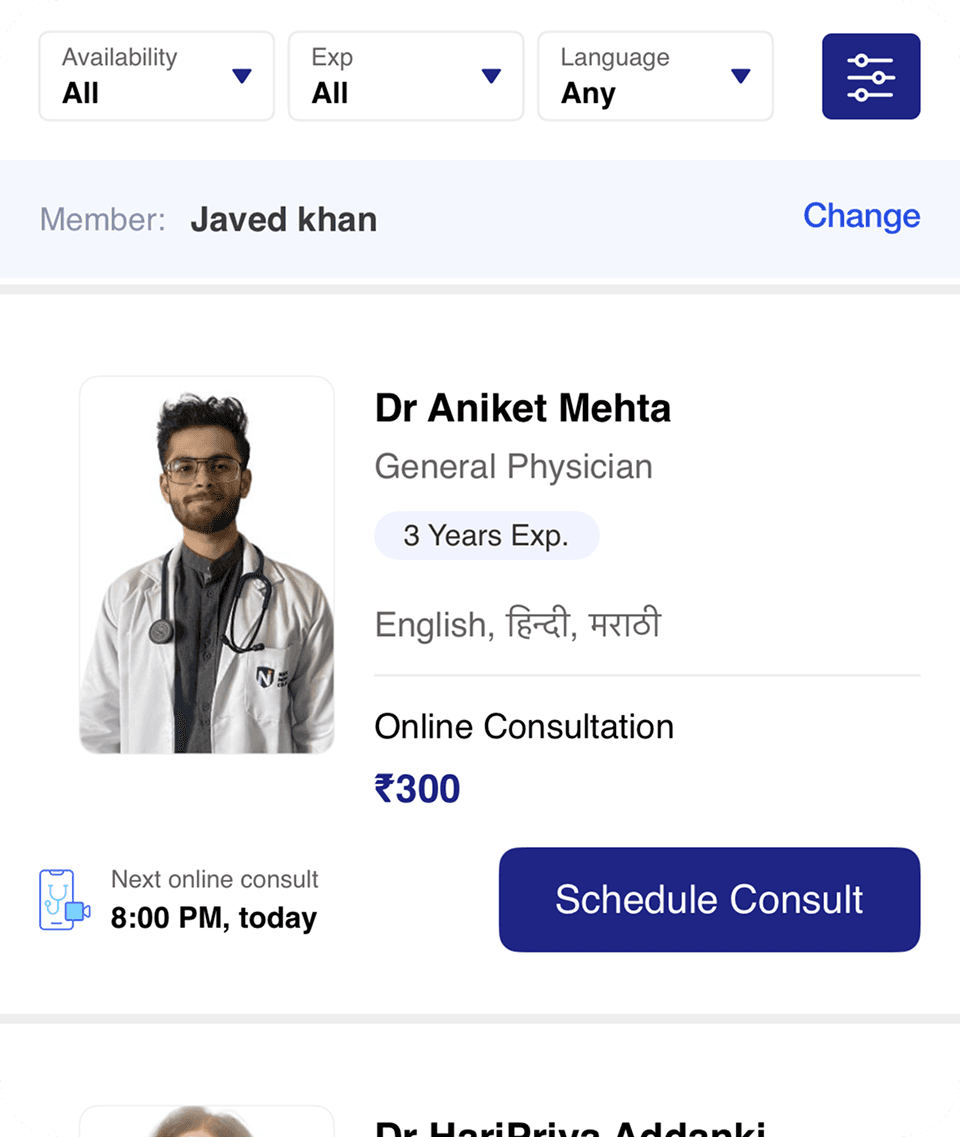
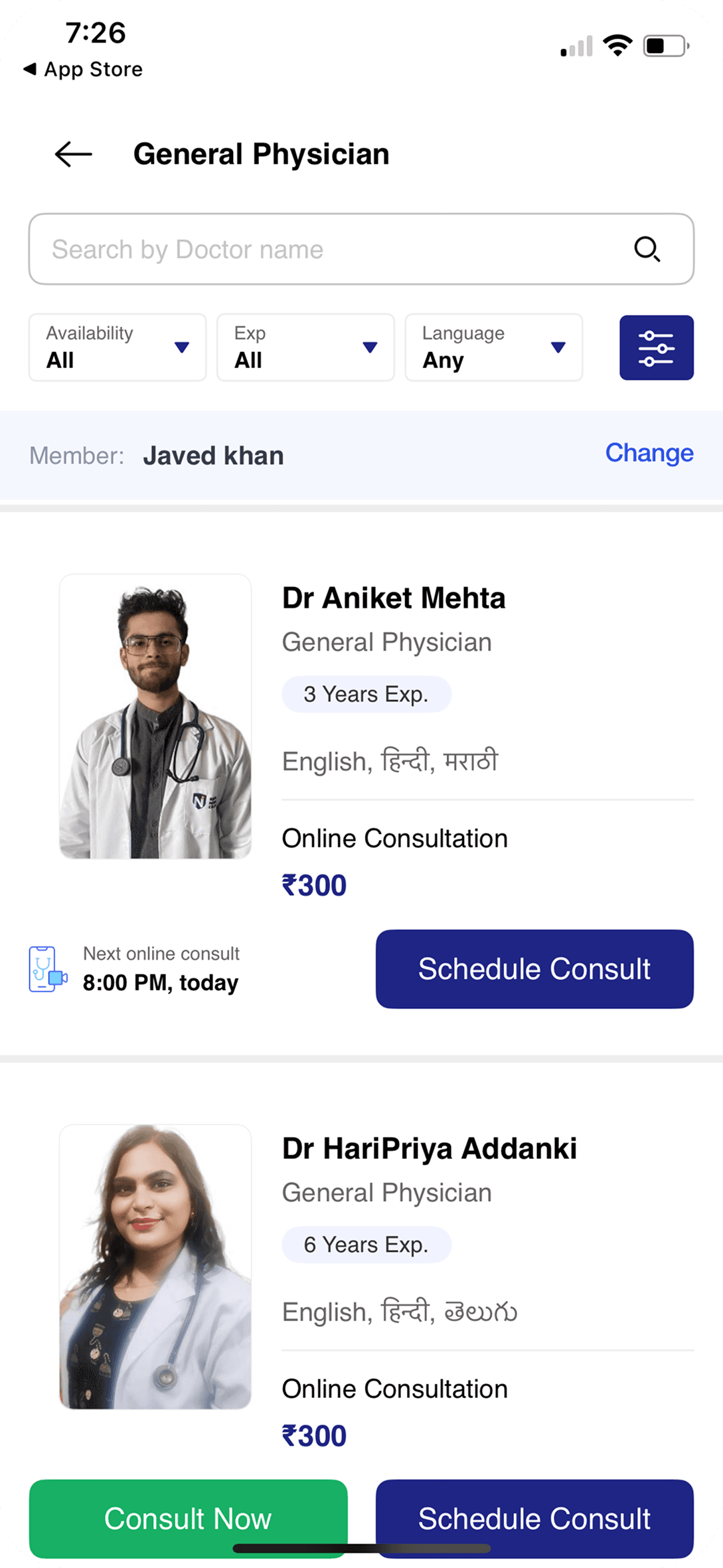
Introduced filter and bigger images of a doctor with key details to make a fast selection
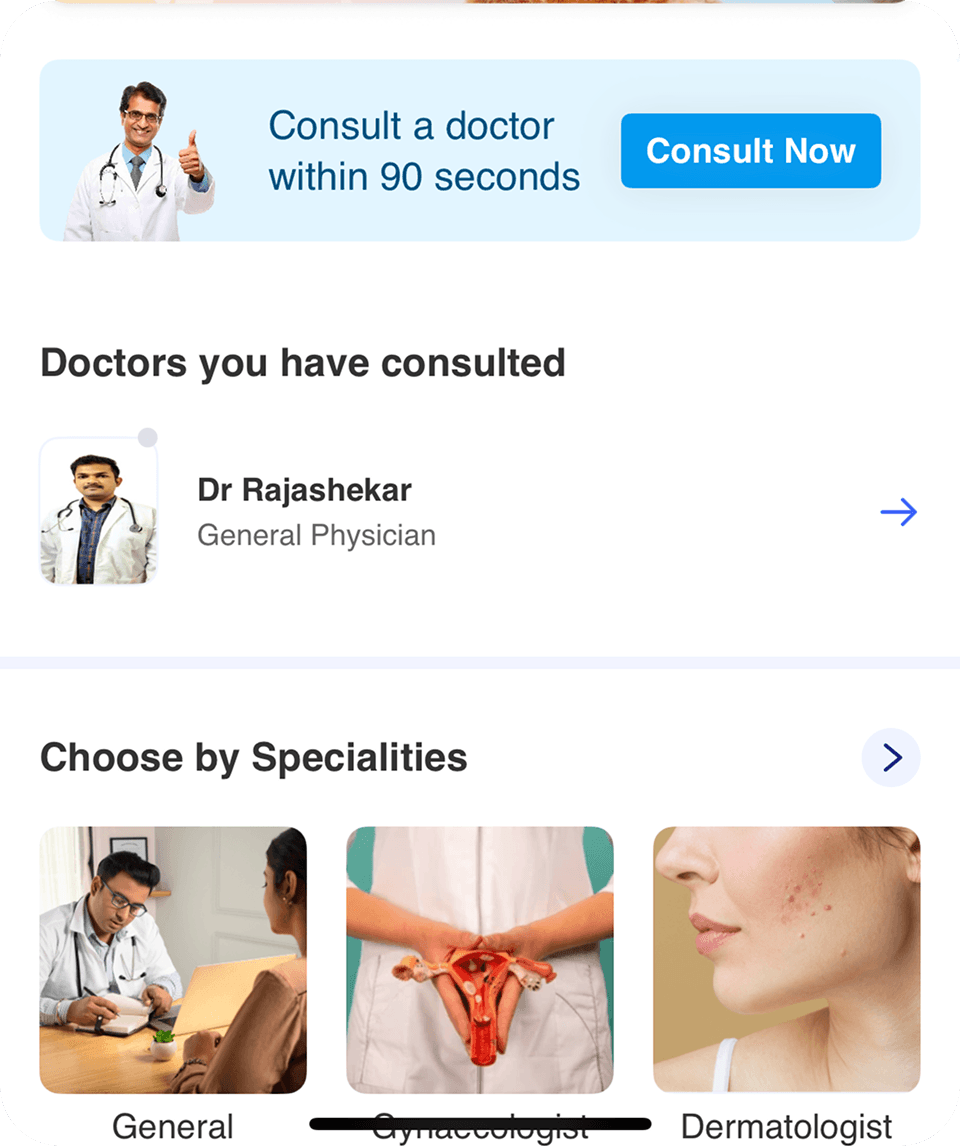
Instead of icons used real images for better identification of a speciality
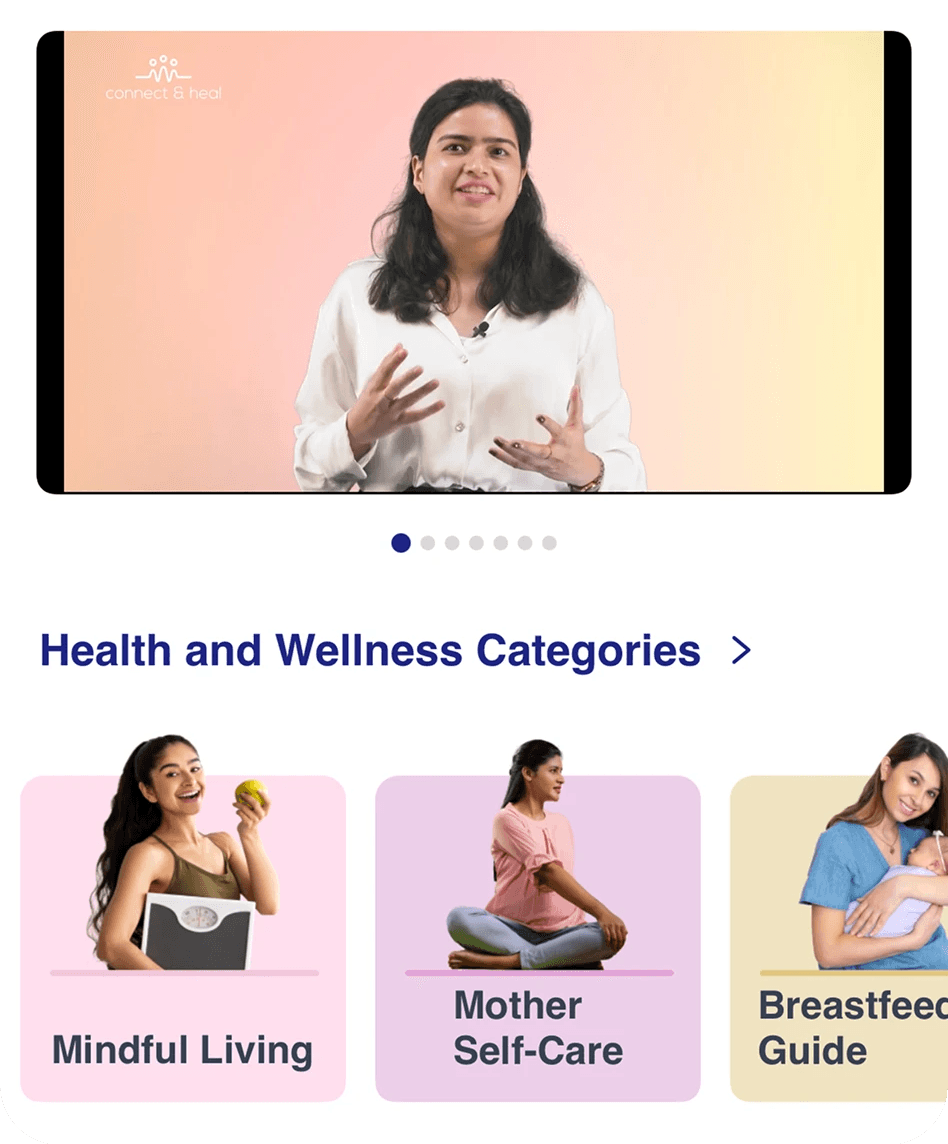
Introduced video content for better engagement and awareness for wellness
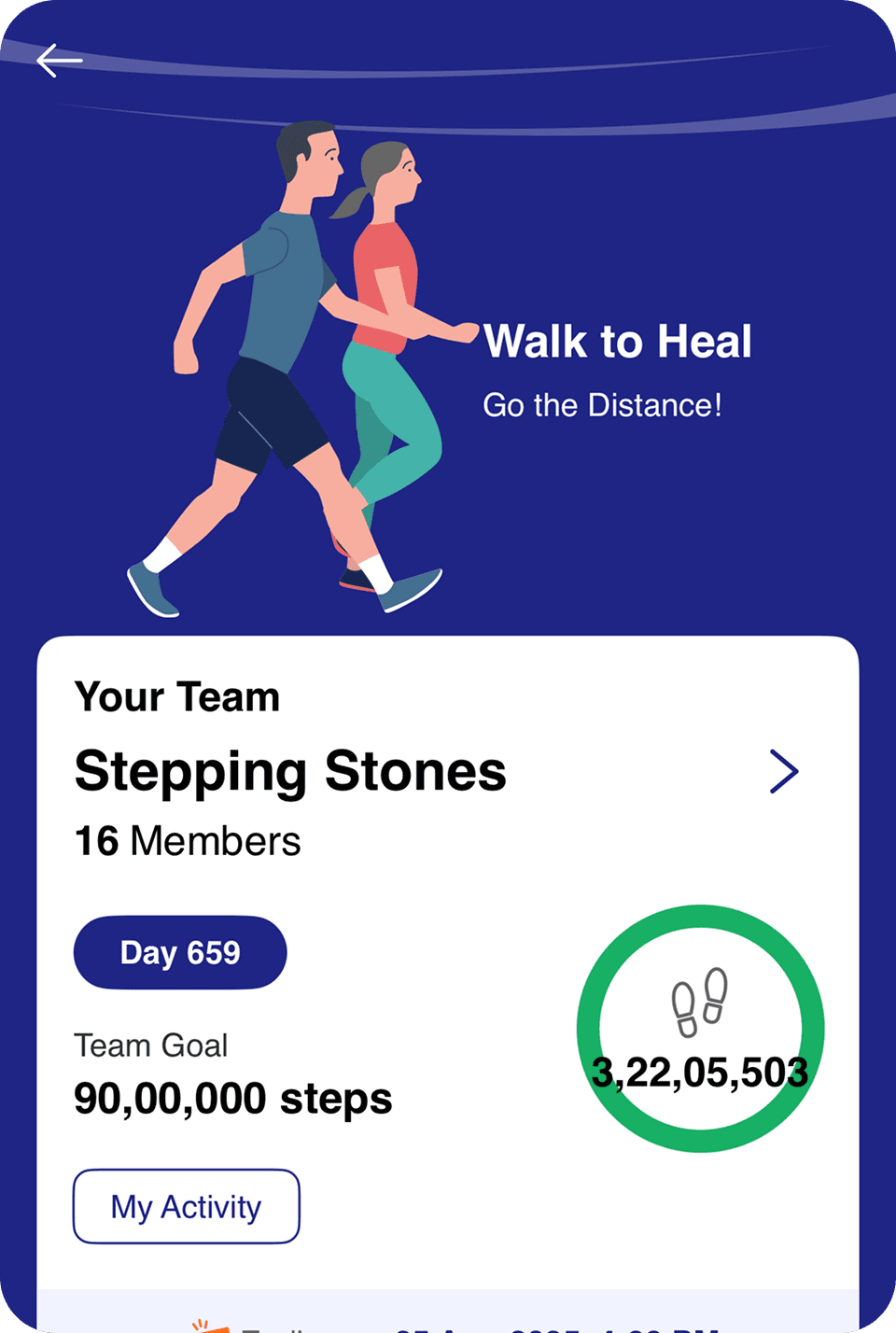
Introduced various wellbeing activities to make sure the daily usage of the app
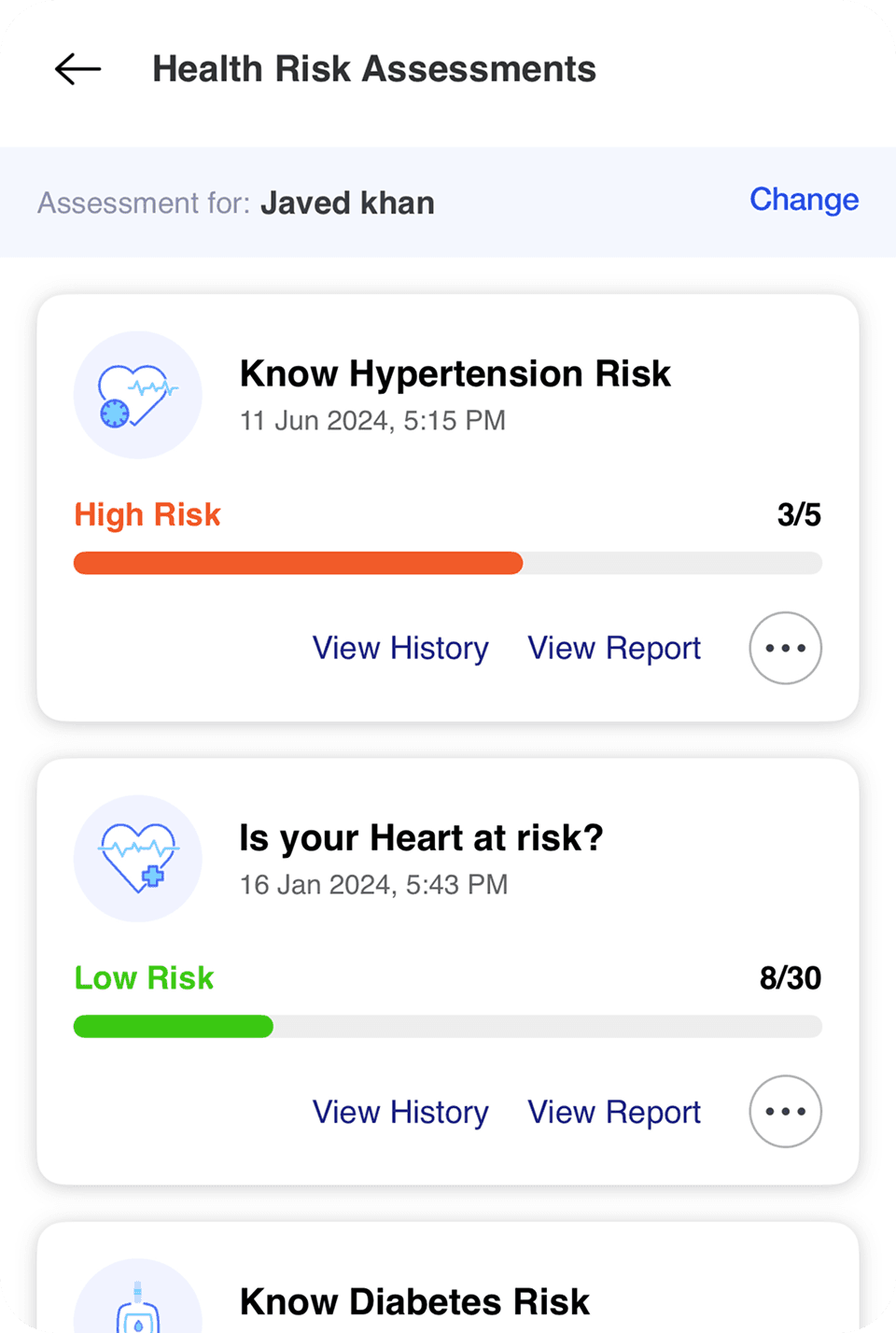
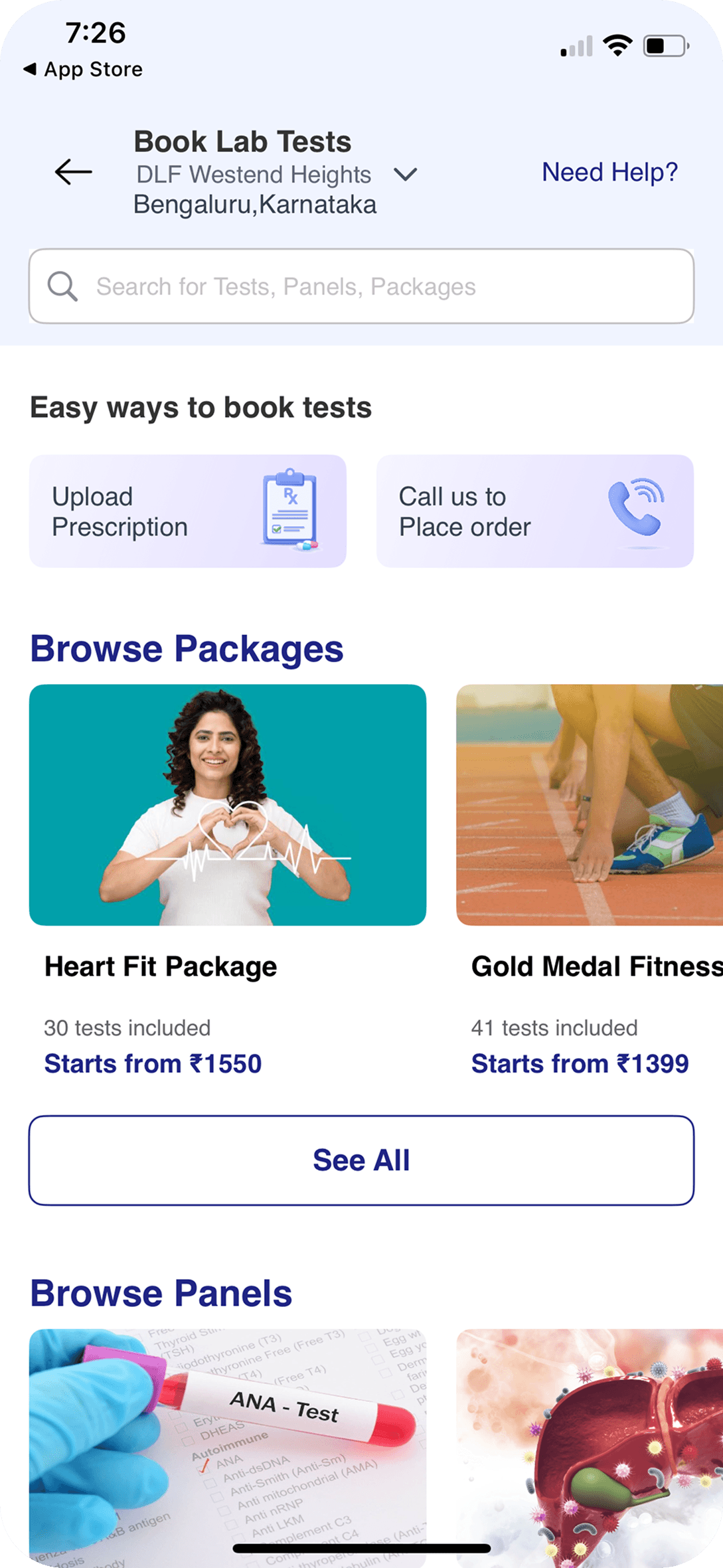
Health risk assessment tools for engagement
Journey Ends
This experience challenged me to adapt and stay focused, leading to personal growth in ways I never expected. Here are some key highlights.
Learning
User-Centric Problem Solving
I gained deep insights into driver and rider behaviors, addressing their unique pain points with seamless booking, real-time tracking, and intuitive onboarding, enhancing the overall experience.
Designing for Efficiency & Scale
I mastered simplifying complex workflows with clear interfaces and built a scalable design system, ensuring visual consistency and future-ready expansion.
Fast, Informed Decision-Making
I honed the skill of making quick, effective design decisions by prioritizing, iterating rapidly, and validating through real-time user feedback, driving project momentum.
Data-Driven Optimization
I embraced data-backed design, using analytics and A/B testing to refine usability, boost conversion rates, and enhance the overall product experience.