
A decentralized platform for crypto investment and exchange
This case study showcases how I balanced innovation with practicality with minimum resources and time to make sure a delightful user experience
Key Problems Addressed
The Solution
Value Proposition
DeFiX is the first DeFi platform designed to fully support both projects and users in one seamless ecosystem. By combining the transparency of decentralisation with an intuitive, user-friendly experience, DeFiX makes DeFi accessible and efficient for everyone.
For Projects
A complete, cost-effective solution for launching, managing, and growing tokens—all in one place.
For Users
A secure, easy-to-use platform with powerful trading tools, bringing the best of CEX and DEX together.

My Role Beyond UX Design
My UX Strategy
Our UX strategy centres on Jakob's Law, which states: "Users spend most of their time on other websites, so they expect your site to work like all the others they already know."
70%
Business As Usual
By mirroring familiar design patterns, we tap into users’ existing mental models, reducing cognitive load, easing adoption, and enhancing overall satisfaction and efficiency.
30%
The Designer’s Job
By mirroring familiar design patterns, we tap into users’ existing mental models, reducing cognitive load, easing adoption, and enhancing overall satisfaction and efficiency.
Research
User Interviews
Issues
High fees, lack of education, centralization, onboarding.
Needs
Simpler platforms, lower fees (Layer 2), stronger privacy.
Trends
Interest in sustainable and diversified investments.
DEXs vs CEXs Secondary Research
DEXs
Better security, privacy, and control over funds, but lower liquidity, higher fees, and complex interfaces.
CEXs
More user-friendly, higher liquidity, and lower fees, but less privacy and control over funds.
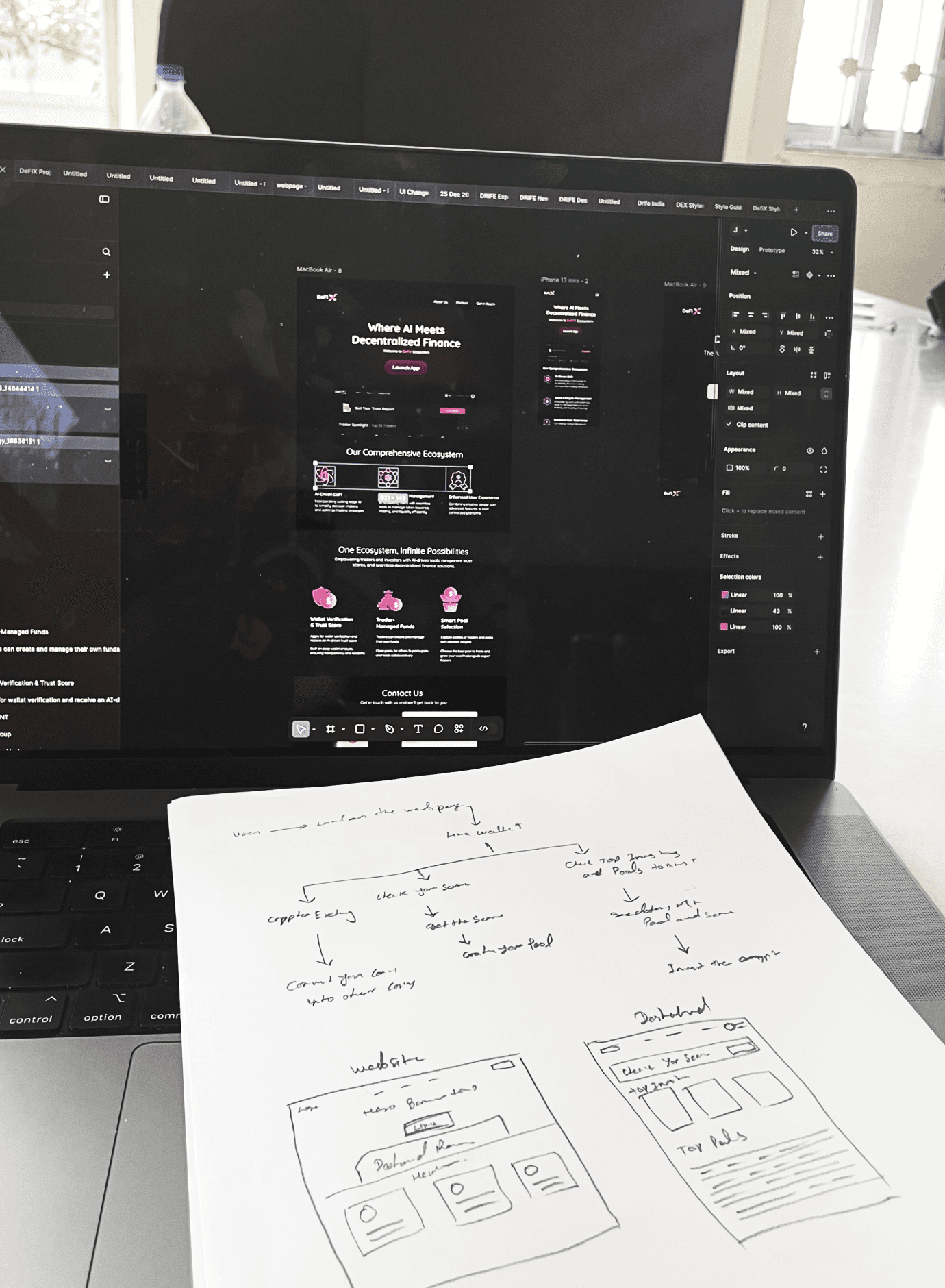
Branding & Visual Design
To establish DefiX as a trusted and futuristic platform, I crafted a minimalistic logo inspired by blockchain structures and financial symbols. The color palette incorporated deep blues and neon hues to represent security and innovation.
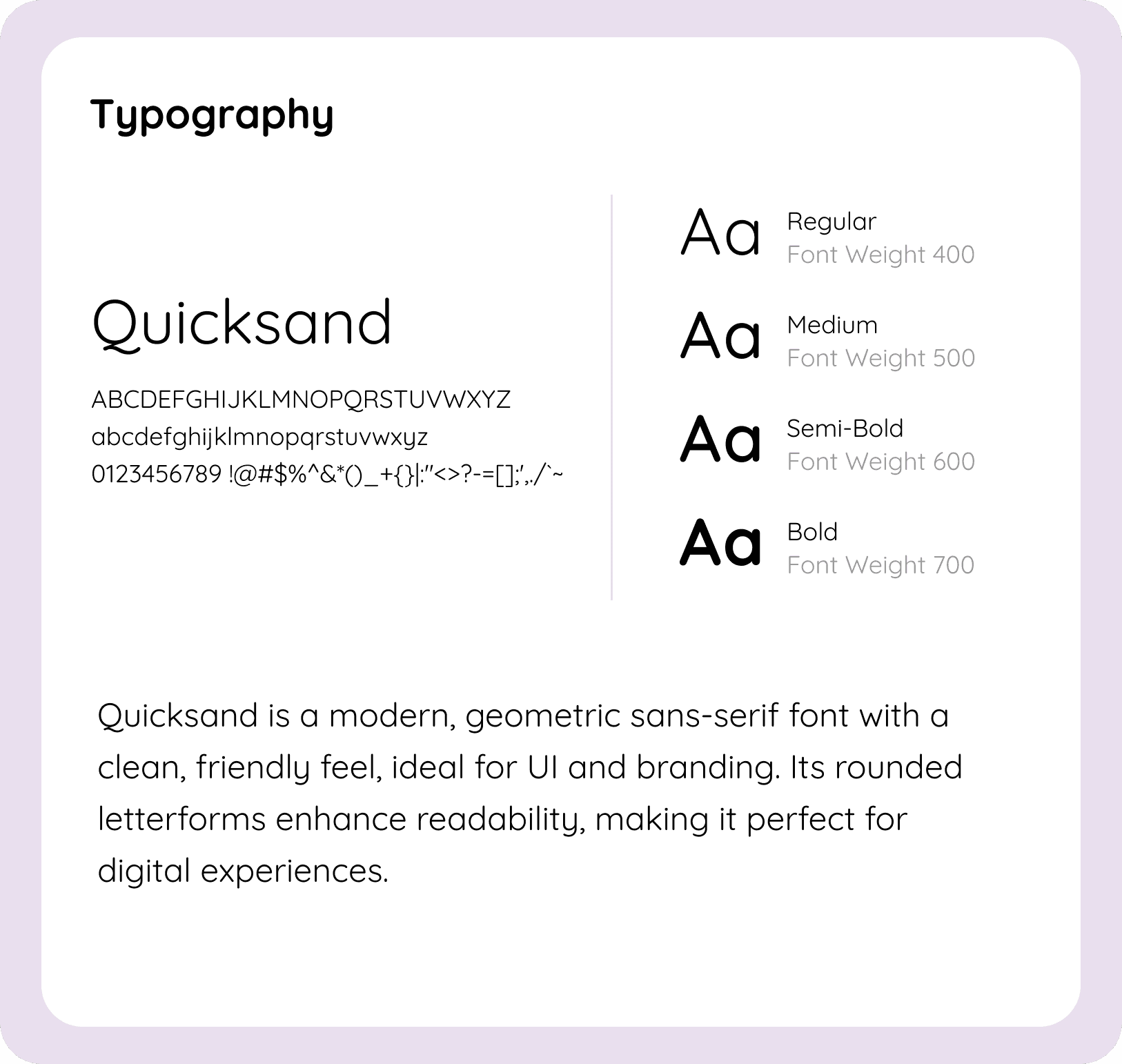
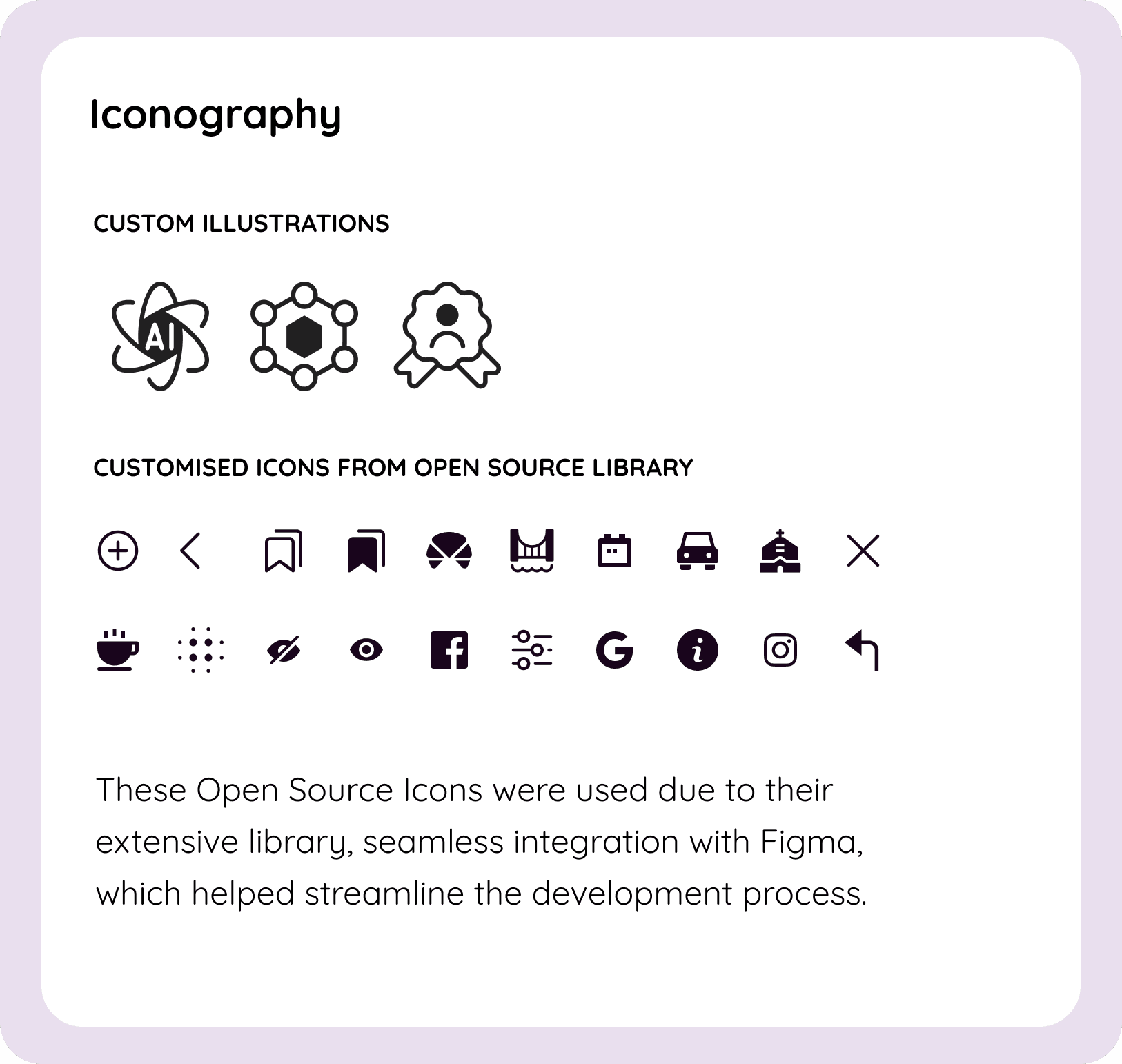
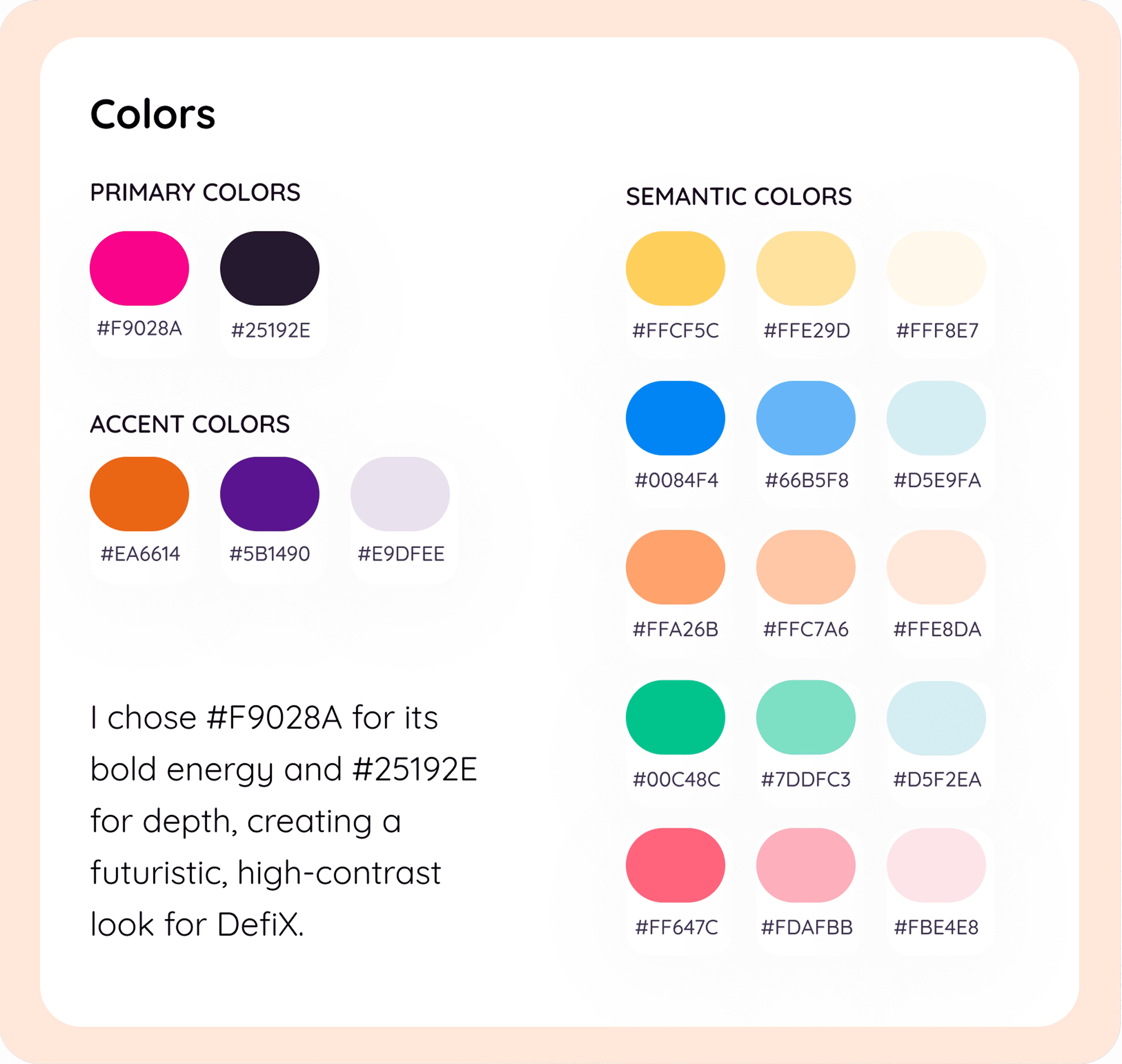
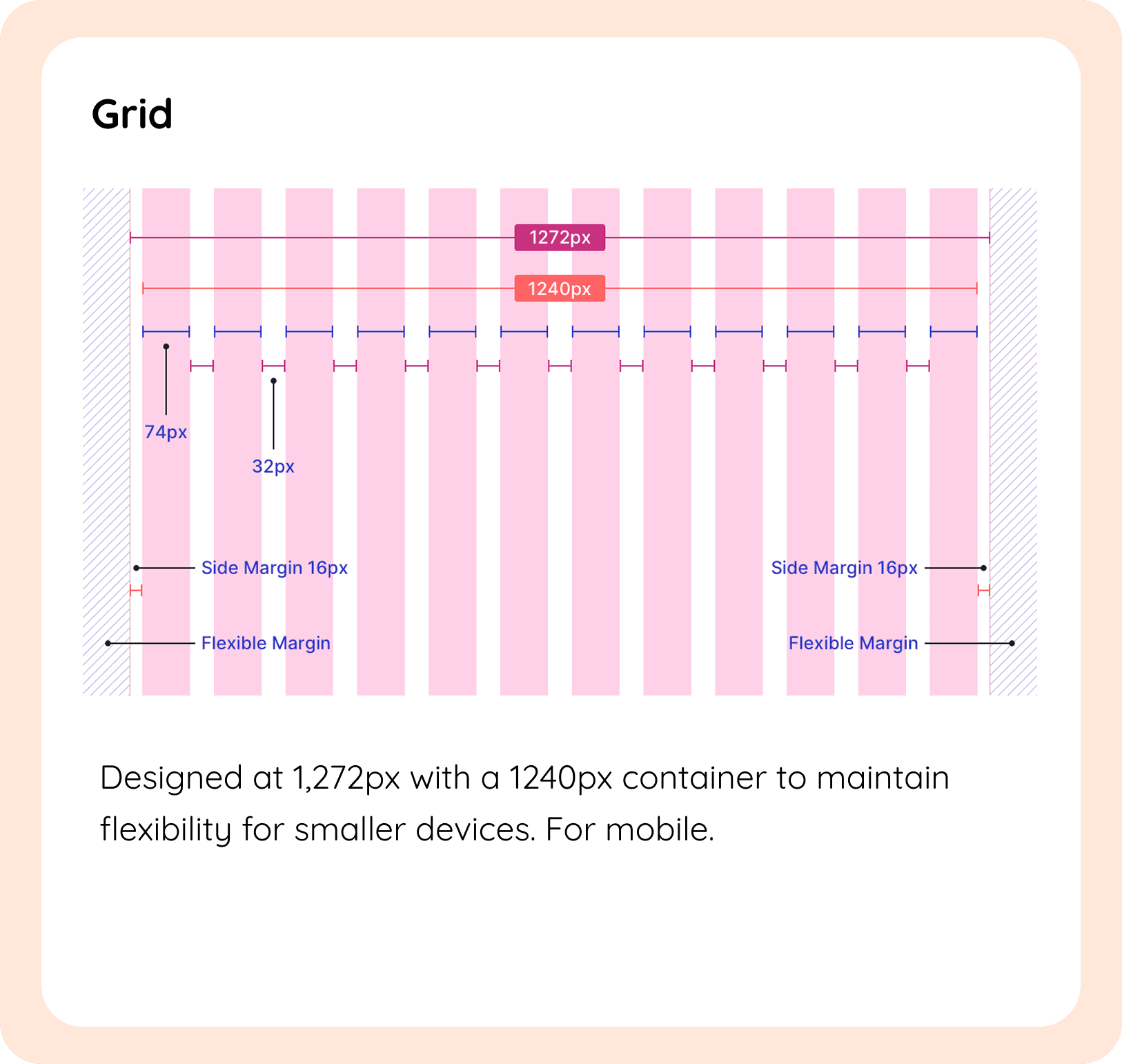


Tiny Details. Big Impact.
I read a book “Refactoring UI” four years ago, and some of its strategies have helped me make faster design decisions. Its practical insights on layout, typography, and visual hierarchy have guided me in creating clean, user-friendly interfaces.
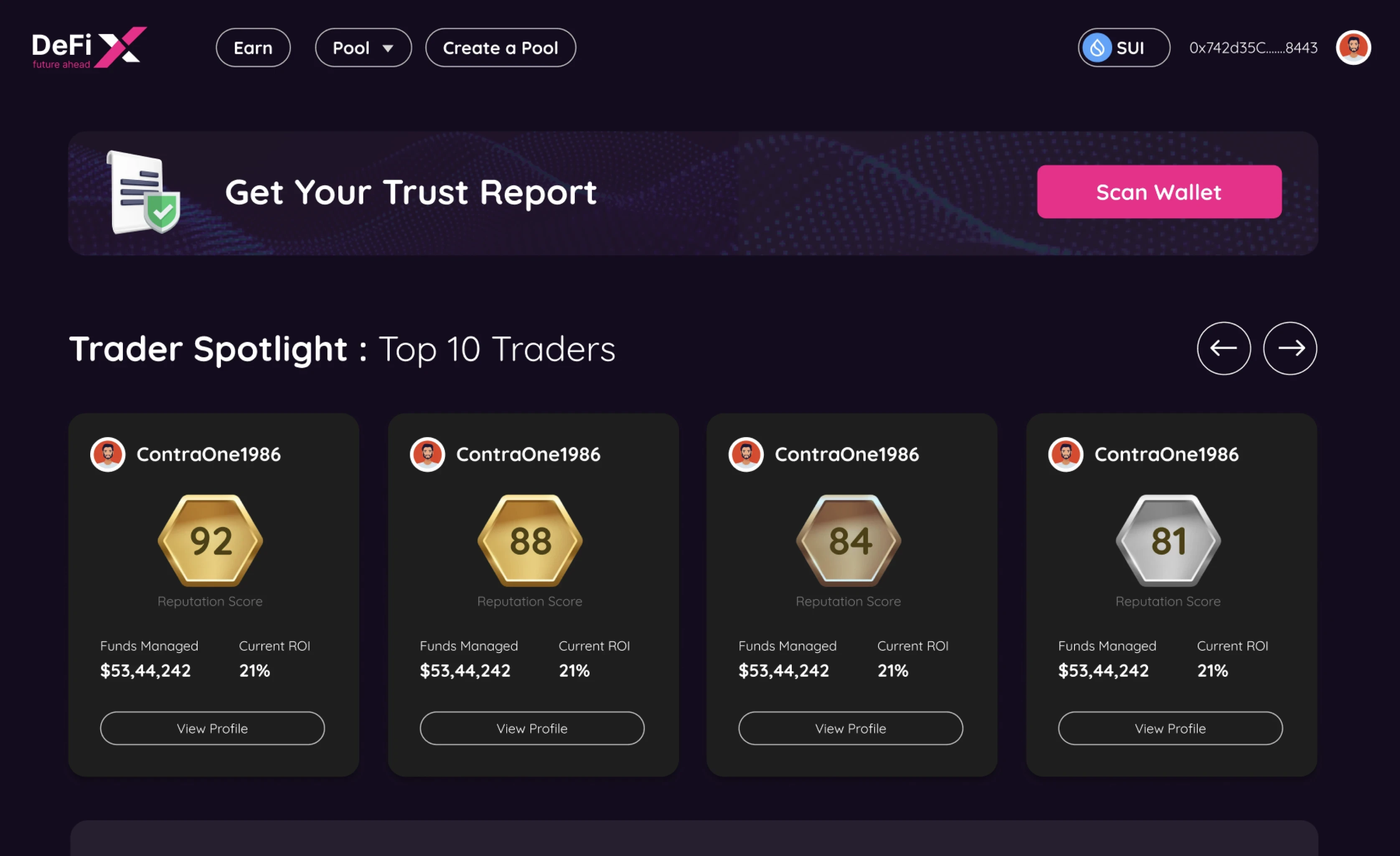
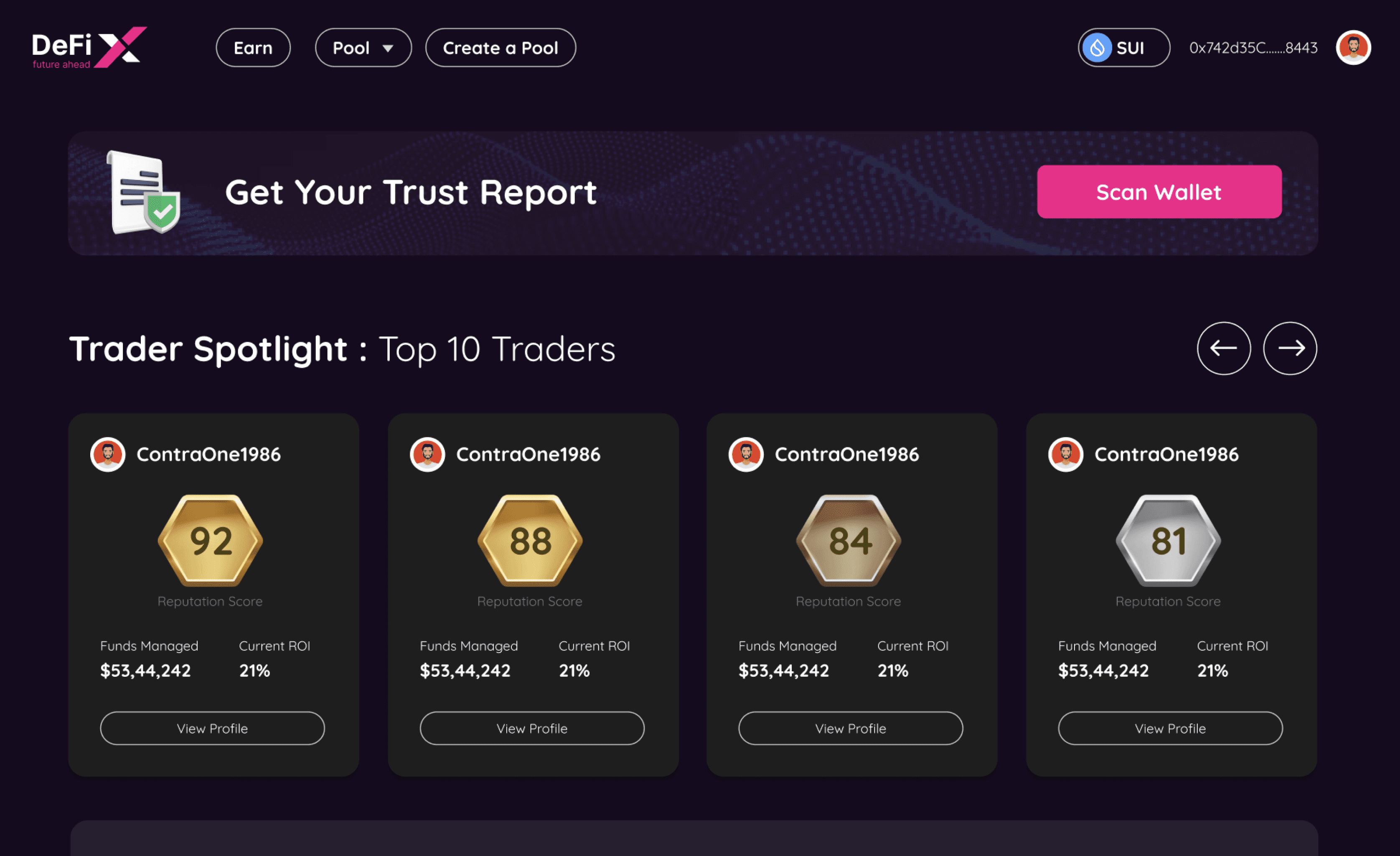


Journey Ends
This experience challenged me to adapt and stay focused, leading to personal growth in ways I never expected. Here are some key highlights.
User Interviews
Solo Success
Delivered all project requirements as the sole designer for a major project.
Mastering Focus
Applied the 70-20-10 rule to stay organized, dedicating 70% of my time to top priorities while balancing other tasks.
New Horizons
Quickly adapted to the Crypto World, mastering its intricacies to create effective designs.
Fast Decision-Making
Utilised my knowledge and experience to make informed design decisions, maintaining project momentum and meeting tight deadlines.
Learning
Strategic Balance
Aligning high-level strategies with attention to UI details is key. I applied Jakob’s Law for usability while refining typography for better readability.
Innovating Within Limits
Navigated resource constraints and fixed scope by utilizing existing design systems, cutting down on development time.
Adaptability
Stayed flexible by adjusting the 70-20-10 rule as priorities shifted, reallocating time when urgent tasks, like the Charts and Tables Enhancement, arose.
Crypto Learning
Gained in-depth knowledge of the crypto space, particularly decentralized finance and blockchain technologies.