A ride hailing platform where the control is in rider and driver’s hands
This case study highlights how I redesigned the Drife ride-hailing app, balancing innovation with practicality to enhance UX, ride discoverability, and dynamic pricing through a bidding system.
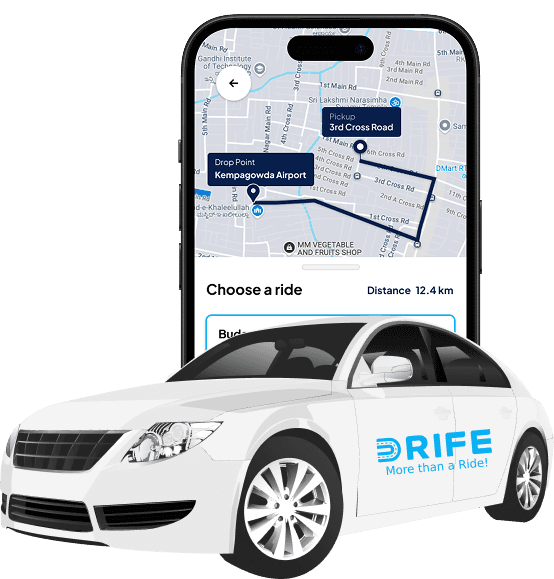
The Challange
Users faced challenges in searching for rides efficiently, applying relevant filters, and managing ride bookings. Additionally, static pricing limited flexibility for both users and drivers, leading to dissatisfaction.
Brand Guideline
Design System
App Redesign
Website Redesign
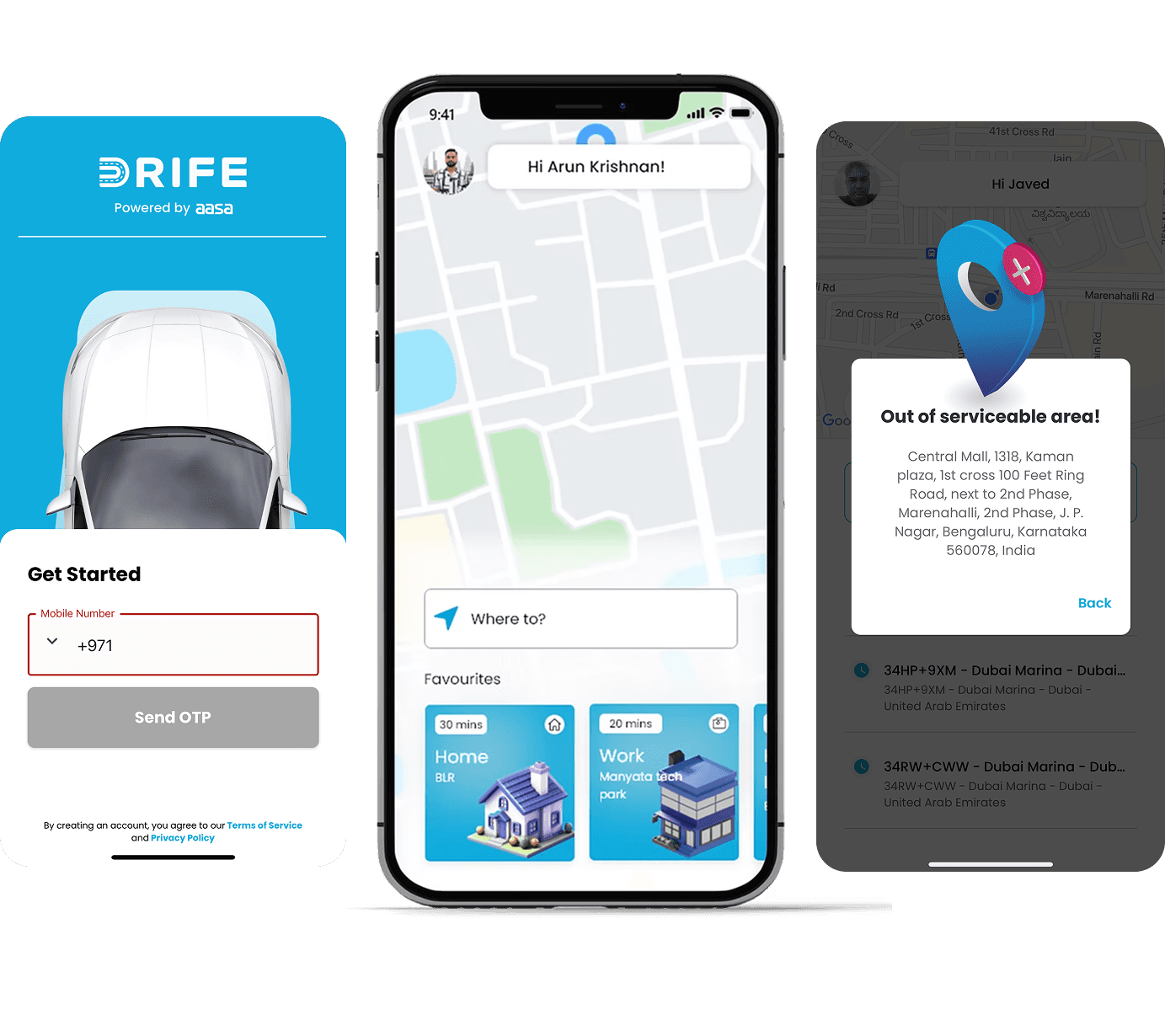
This is how the old app used to look
In a saturated ride-hailing market, survival is impossible with poor UX.
Objectives
Our UX strategy centres on Jakob's Law, which states: "Users spend most of their time on other websites, so they expect your site to work like all the others they already know."
Improve Ride Discoverability and Booking Efficiency
Redesign the search flow to make it easier for users to find rides based on location, ride type, and fare preferences.
Optimize the app’s interface to reduce the number of steps required to book a ride, ensuring a faster and more efficient process.
Implement real-time ride availability updates to help users make informed booking decisions quickly.
Re-introduce a Bidding System for Dynamic Pricing
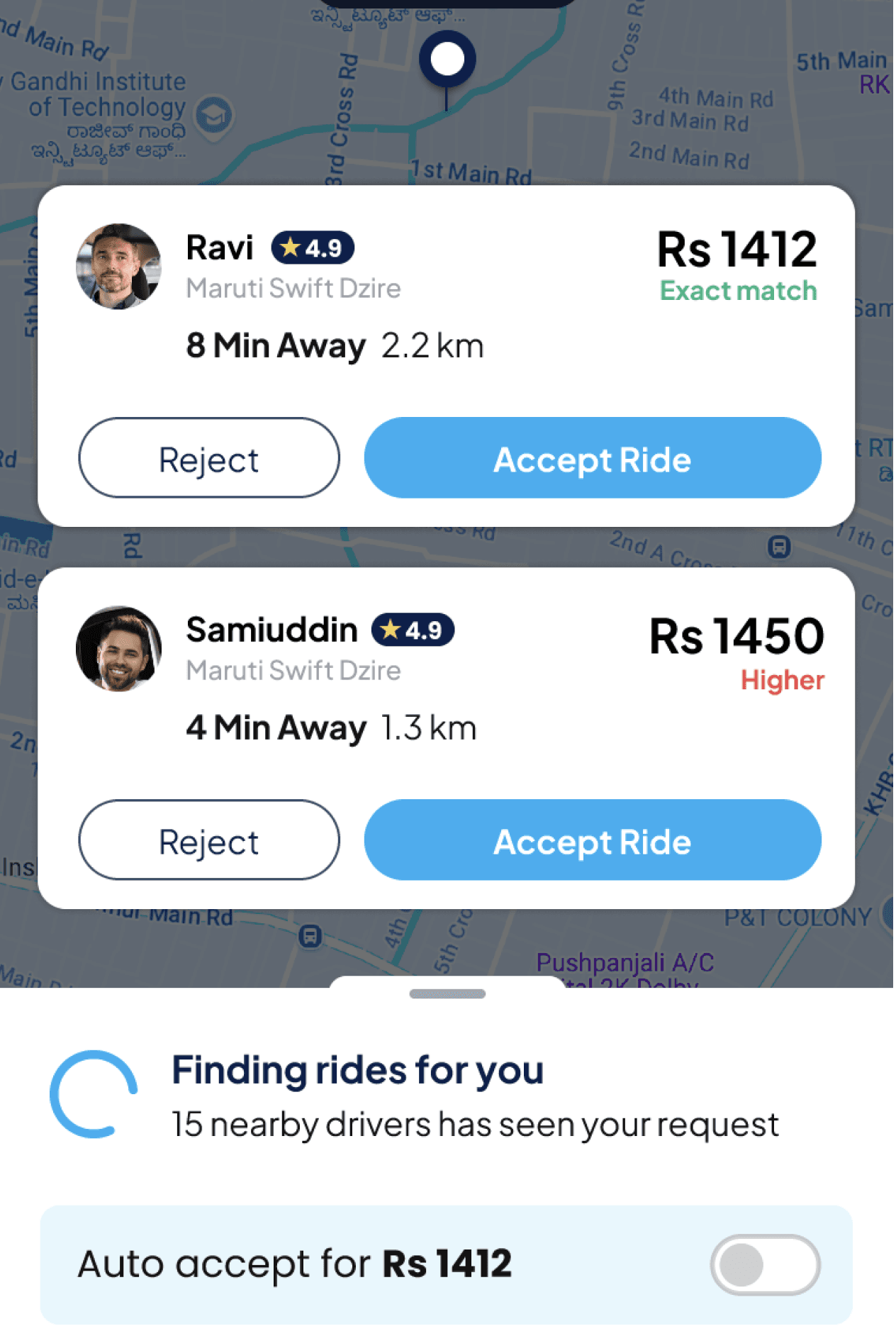
Allow users to bid for rides based on their budget, providing them with flexible pricing options.
Enable drivers to counteroffer, creating a competitive and fair pricing model that benefits both riders and drivers.
Ensure transparency in pricing negotiations by providing real-time fare suggestions based on demand and availability.
Enhance Search, Filtering, and Booking History Visibility
Allow users to bid for rides based on their budget, providing them with flexible pricing options.
Enable drivers to counteroffer, creating a competitive and fair pricing model that benefits both riders and drivers.
Ensure transparency in pricing negotiations by providing real-time fare suggestions based on demand and availability.
Provide a Smoother and More Intuitive User Experience
Redesign the app’s UI for a cleaner, more user-friendly layout that enhances usability.
Improve navigation and accessibility, ensuring that key features like booking, tracking, and ride history are easy to locate.
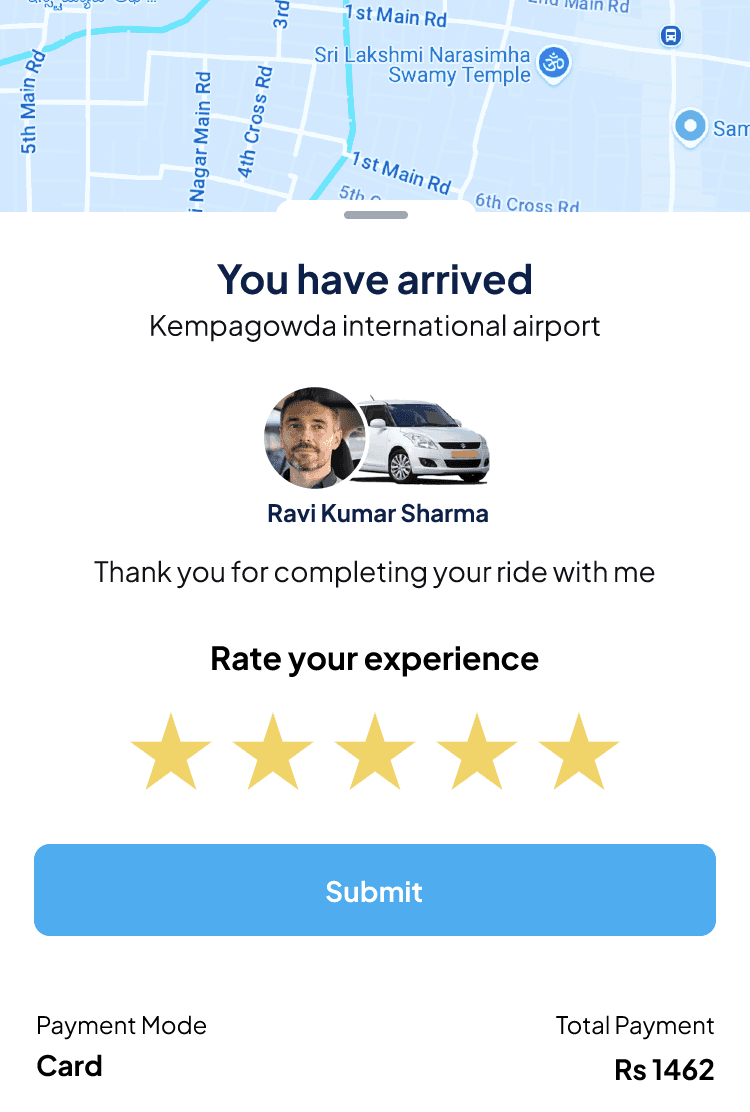
Implement real-time ride status updates and notifications for better communication between riders and drivers.
Research
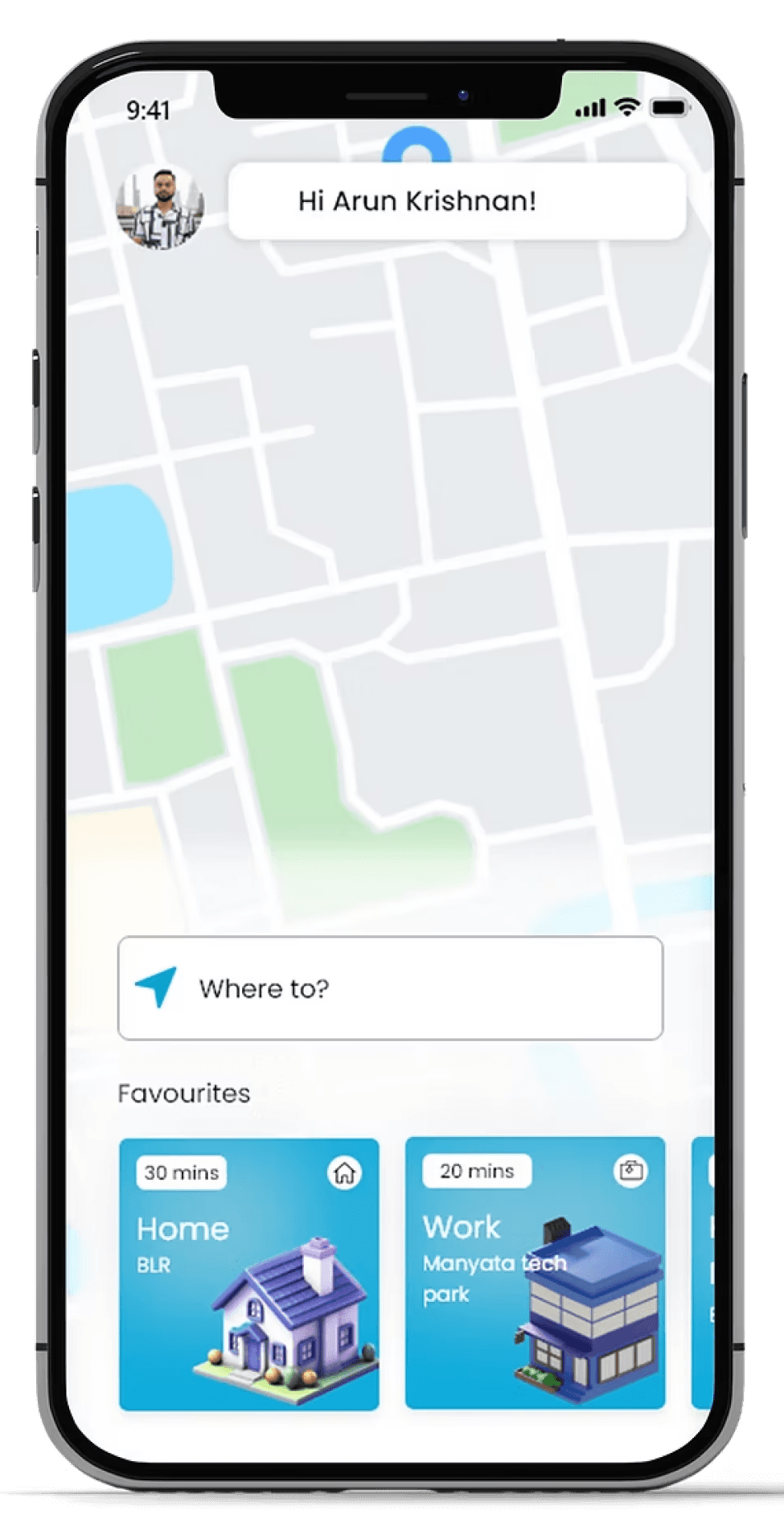
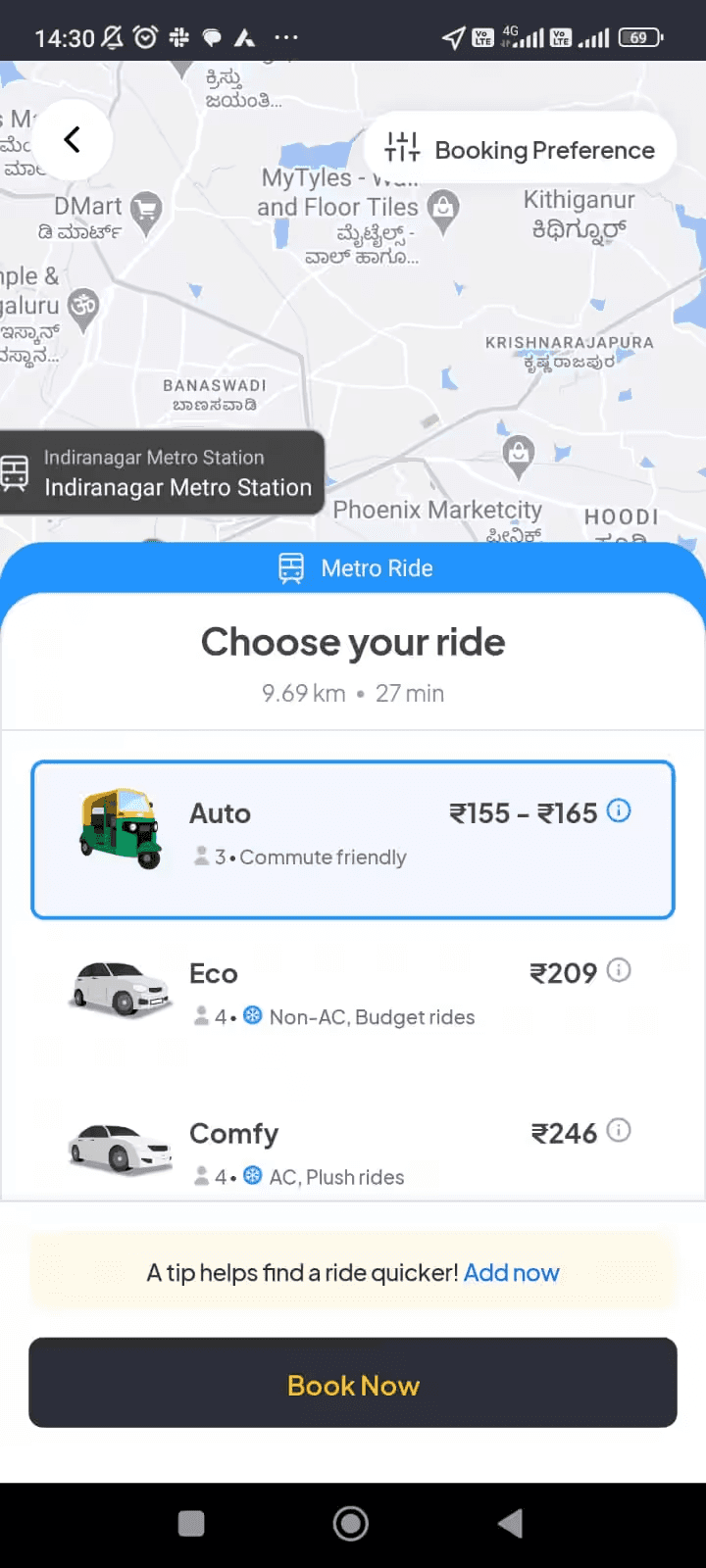
We analyzed competitors like Rapido and Namma Yatri to refine our user experience, identify market gaps, and enhance our product to stay competitive.
Drife
Challenger
Rapido
Competitor

Namma Yatri
Competitor
Uber
Competitor

Branding & Visual Design
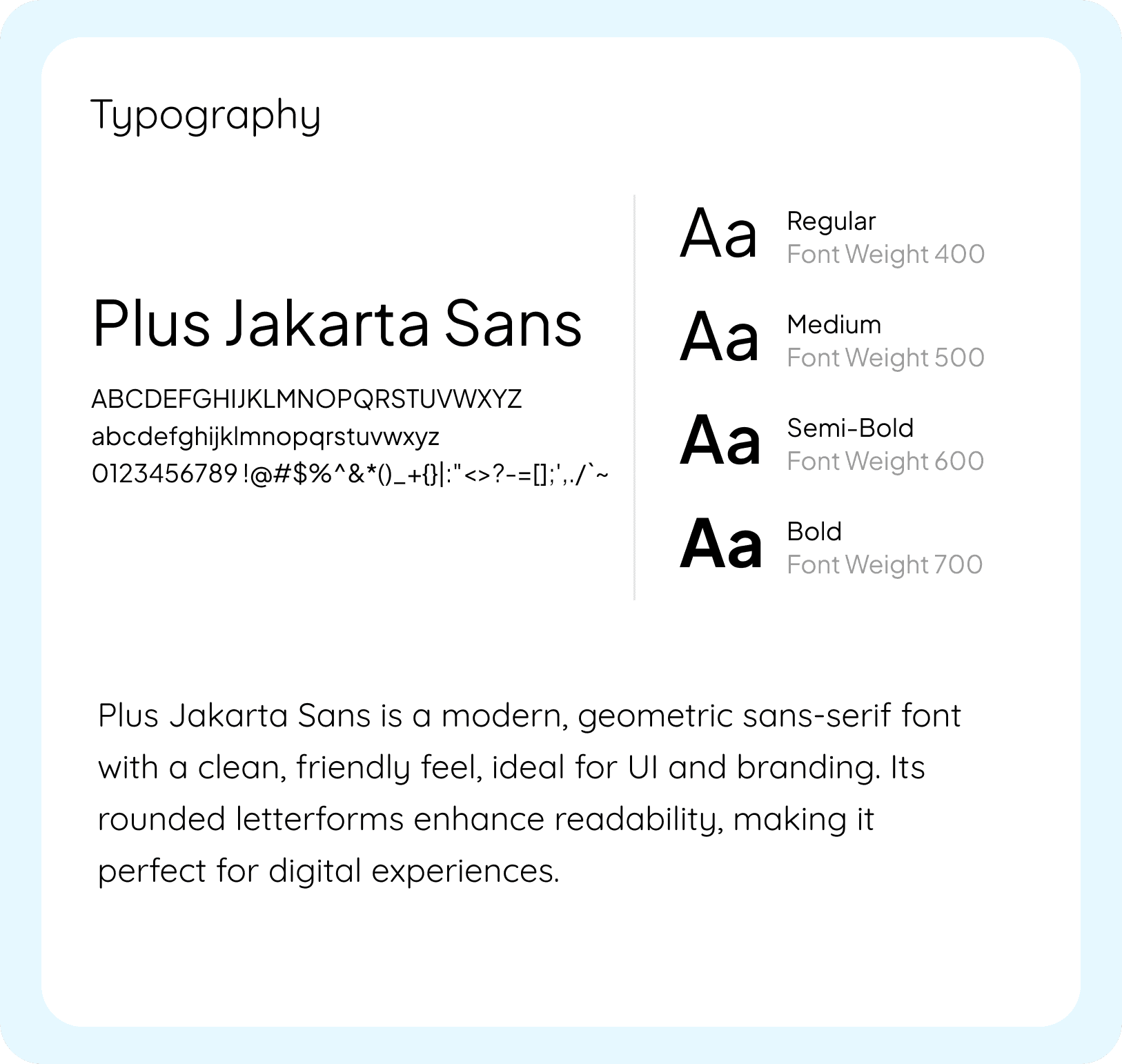
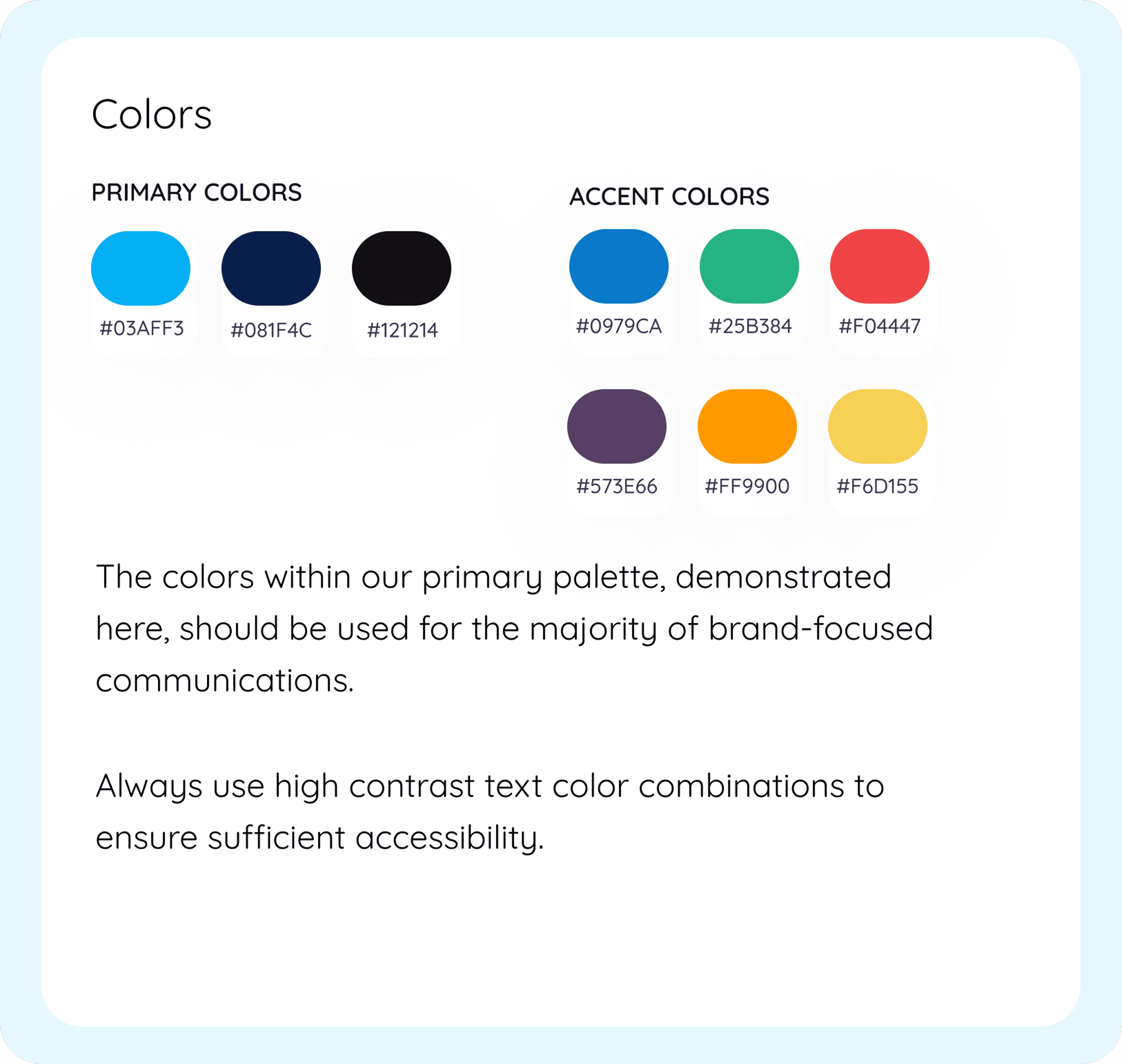
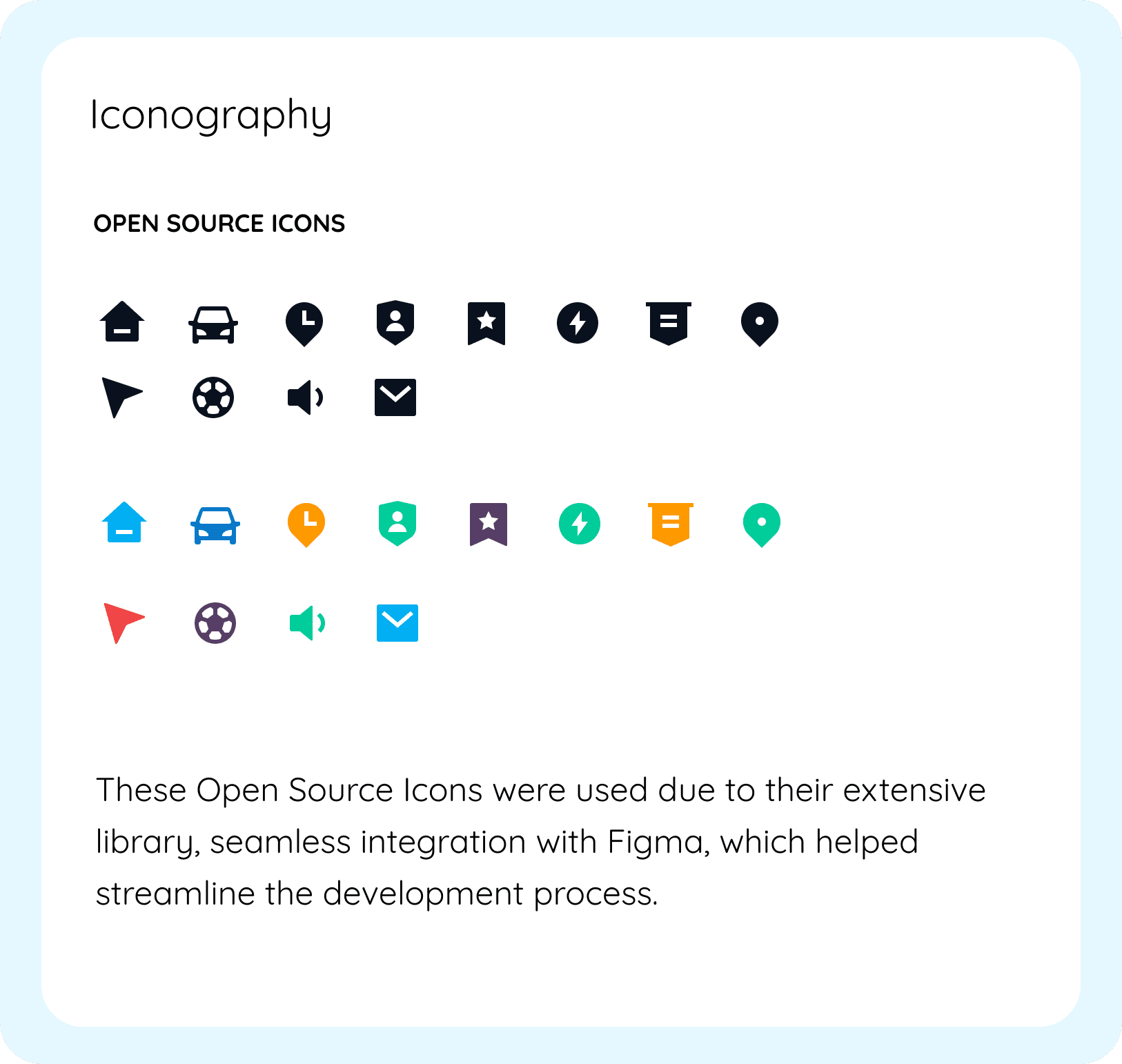
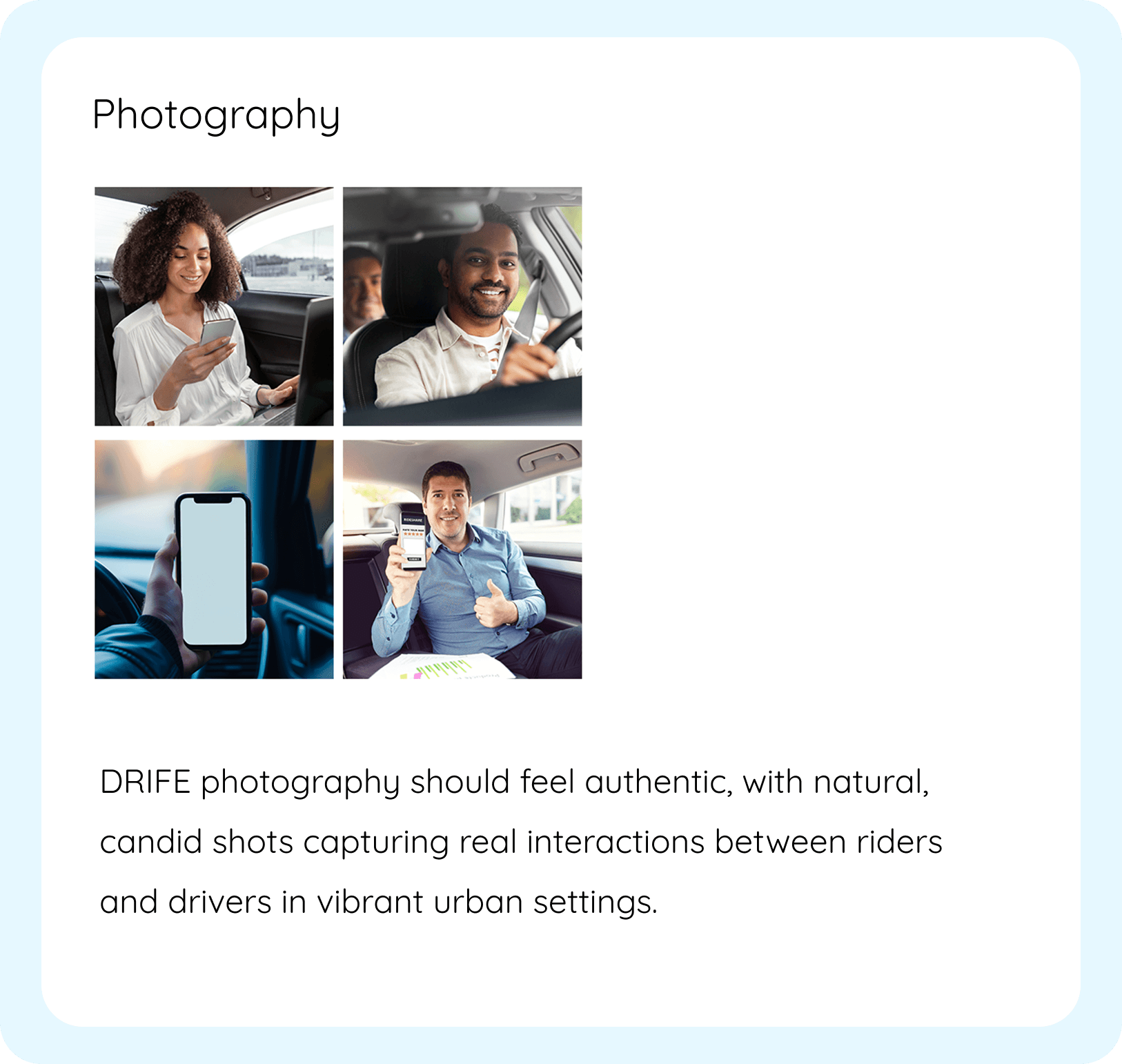

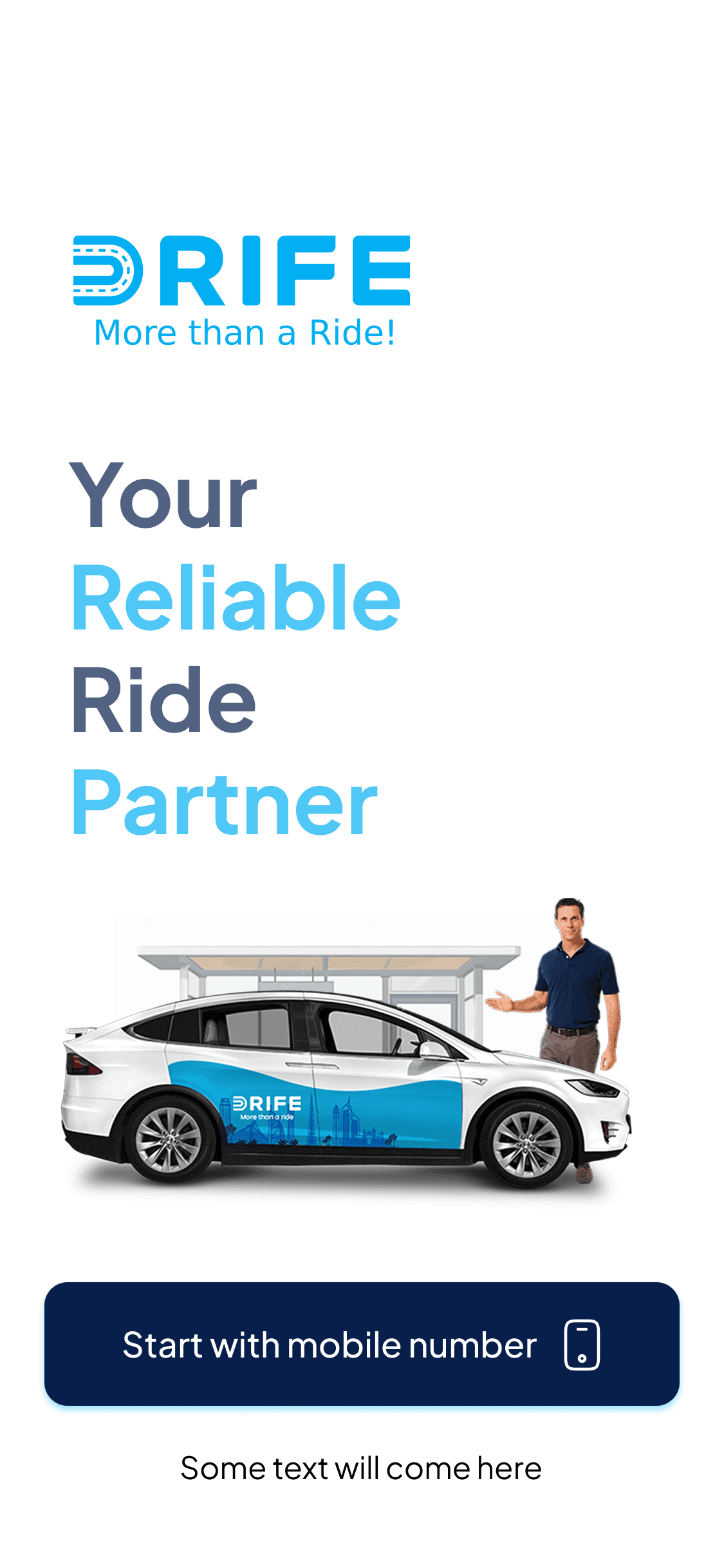
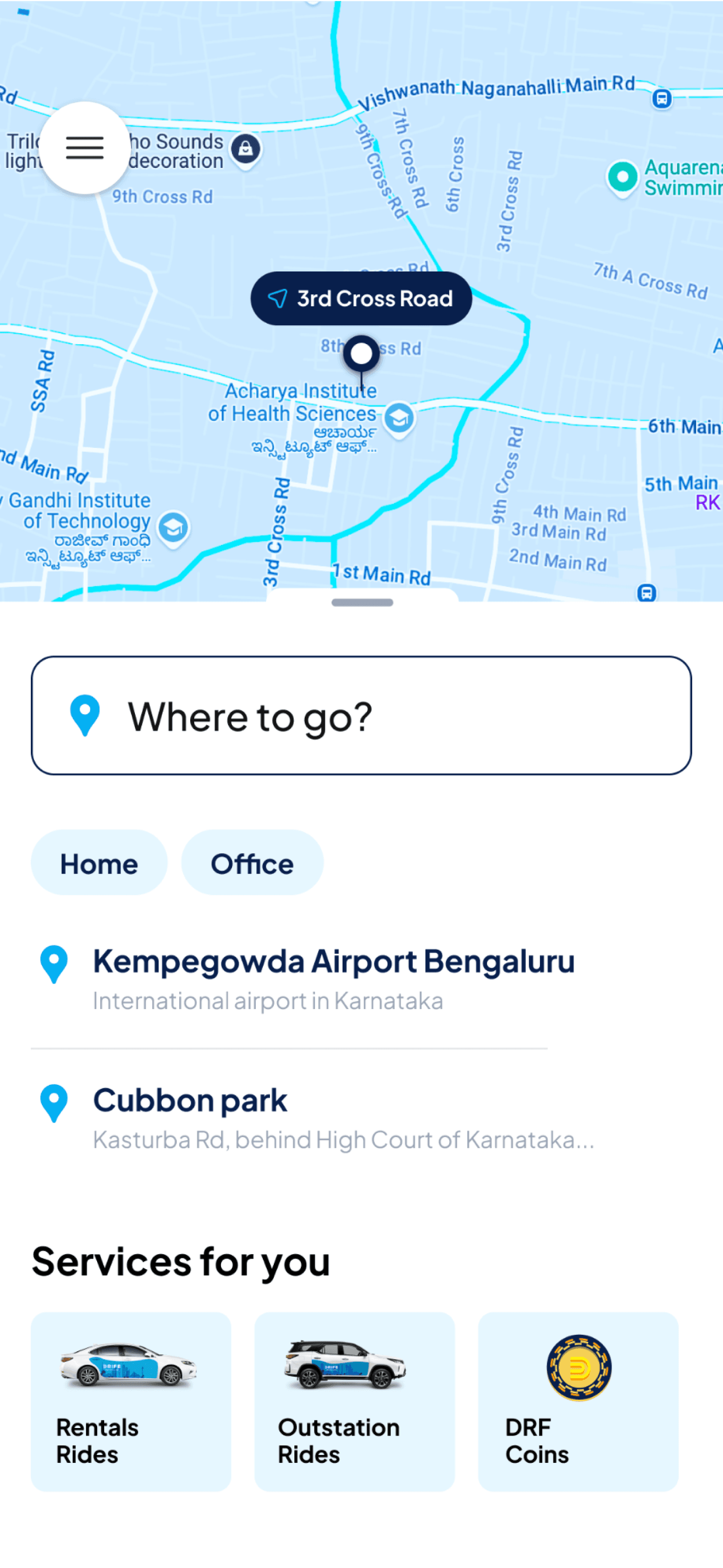
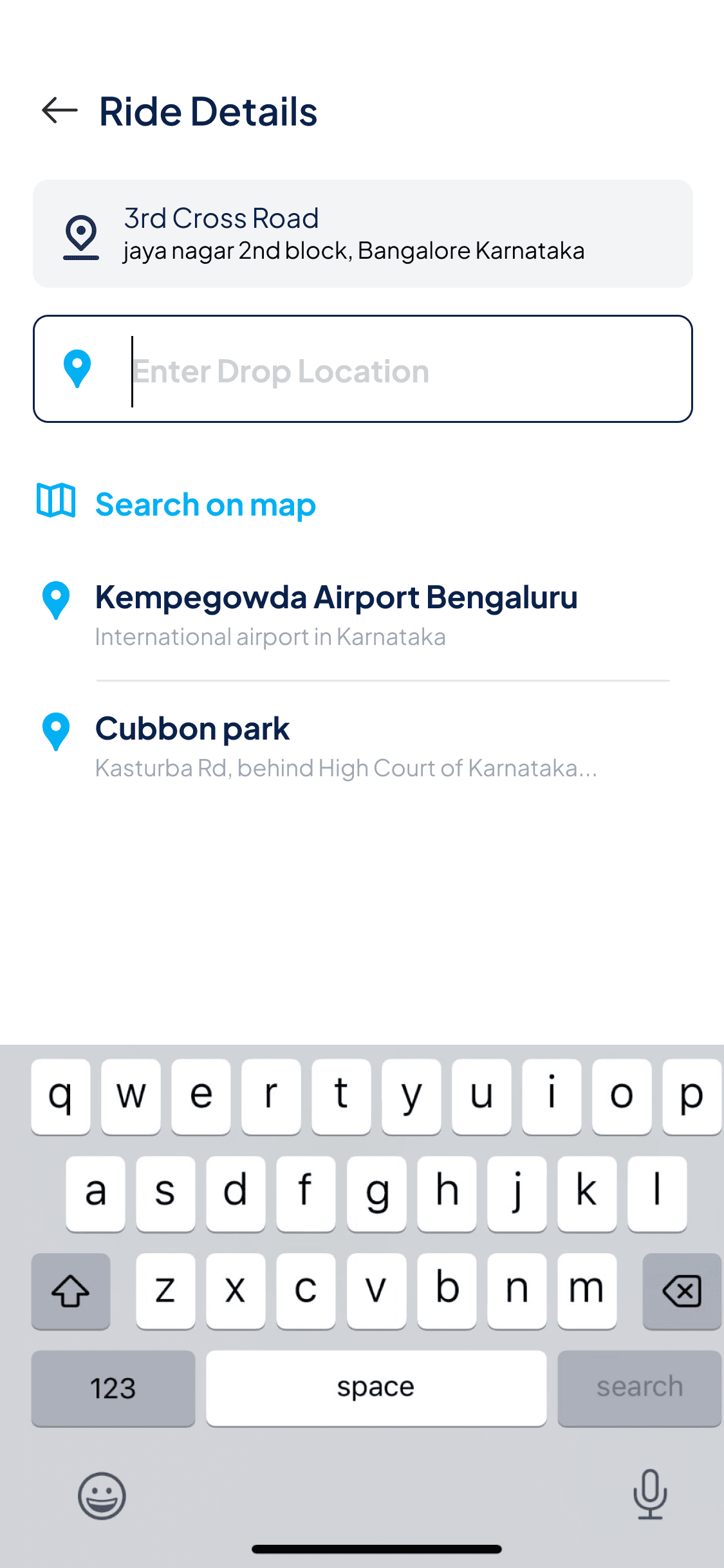

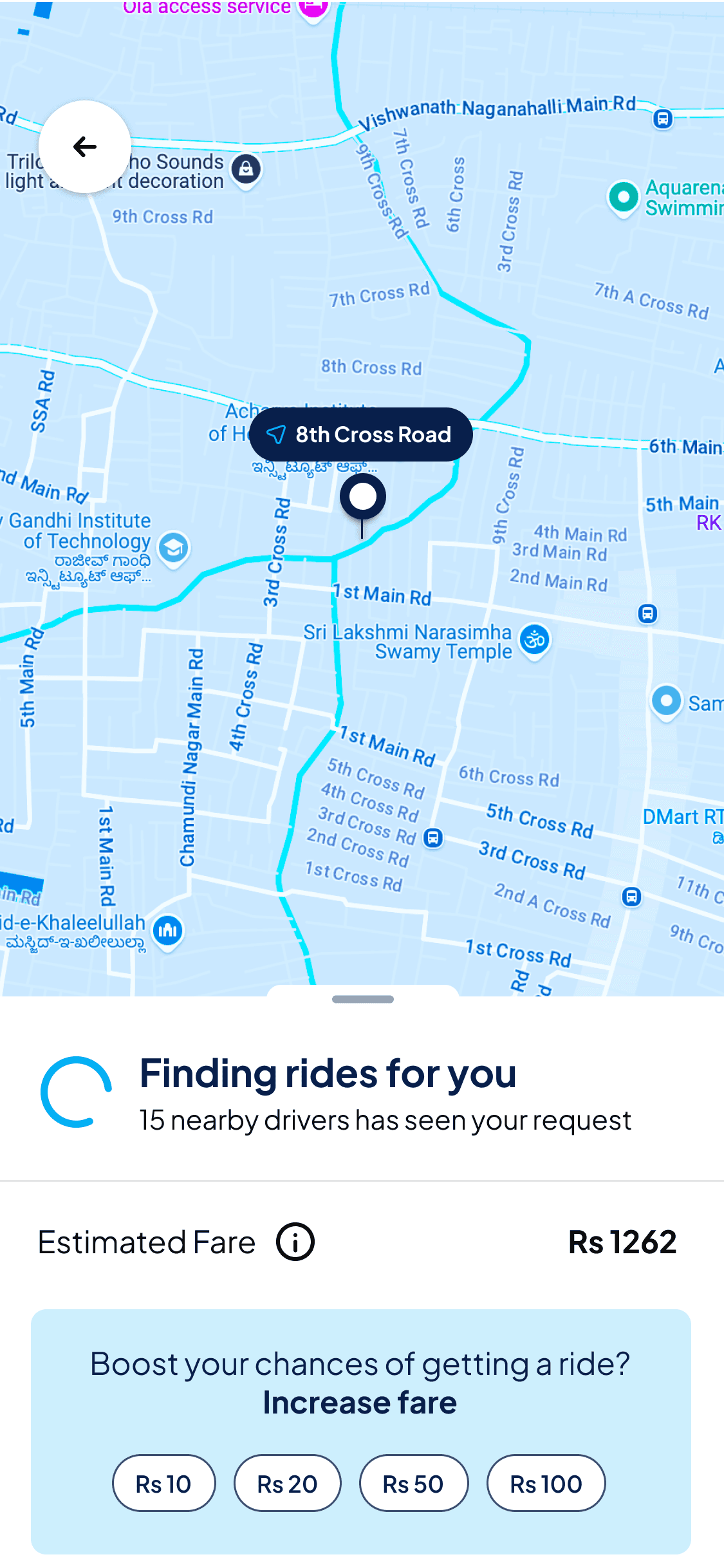

Tiny Details. Big Impact.
I read a book “Refactoring UI” four years ago, and some of its strategies have helped me make faster design decisions. Its practical insights on layout, typography, and visual hierarchy have guided me in creating clean, user-friendly interfaces.



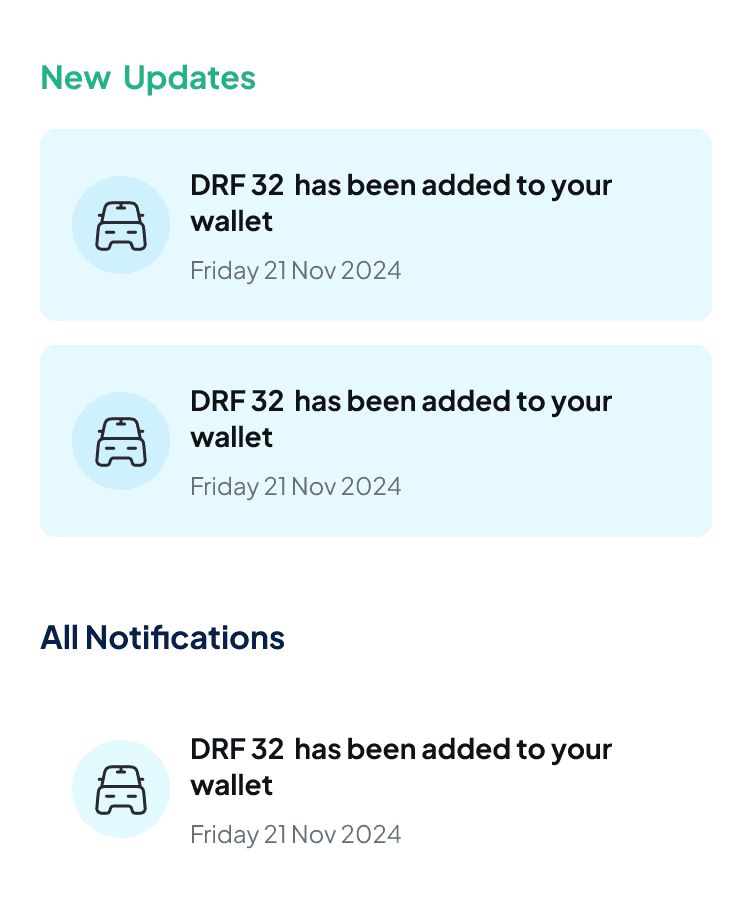
Introduced Inbox to get all the updates for transactions to make sure the user doesn't miss anything
Journey Ends
This experience challenged me to adapt and stay focused, leading to personal growth in ways I never expected. Here are some key highlights.
Solo Success
Delivered all project requirements as the sole designer for a major project.
Design for Scalability
Built a flexible design system to support future feature expansions and platform scalability, ensuring visual and functional consistency across the product.
Optimizing for Conversion
Introduced micro-interactions and visual cues to streamline ride-booking flows, boosting user engagement and increasing conversion .
Fast Decision-Making
Utilized my knowledge and experience to make informed design decisions, maintaining project momentum and meeting tight deadlines.
Learning
User-Centric Problem Solving
I gained deep insights into driver and rider behaviors, addressing their unique pain points with seamless booking, real-time tracking, and intuitive onboarding, enhancing the overall experience.
Designing for Efficiency & Scale
I mastered simplifying complex workflows with clear interfaces and built a scalable design system, ensuring visual consistency and future-ready expansion.
Fast, Informed Decision-Making
I honed the skill of making quick, effective design decisions by prioritizing, iterating rapidly, and validating through real-time user feedback, driving project momentum.
Data-Driven Optimization
I embraced data-backed design, using analytics and A/B testing to refine usability, boost conversion rates, and enhance the overall product experience.