This case study highlights how I redesigned the Drife ride-hailing app, balancing innovation with practicality to enhance UX, ride discoverability, and dynamic pricing through a bidding system.
Key Outcome
Enhanced patient engagement and trust in healthcare providers
65%
increase in patient
follow-ups
70%
users taking action
within 24 hours
The Idea Confusion to Clarity
Imagine going for a full-body checkup and receiving your report, only to feel overwhelmed by medical jargon and uncertainty.
With Smart Report, an AI-powered video explanation breaks down your results in simple terms, guiding you through insights and next steps—turning confusion into clarity.


Traditional reports are filled with technical terms, making them difficult for non-medical users to interpret.
Patients struggle with understanding test results and determining their next course of action.
Reports often fail to show trends or compare with past results, leaving patients without a clear health progression.
Generic lab reports lack customization, making it hard to relate results to individual health conditions.
The Objective Build for Clarity and Accuracy
Easy Interface
Data Analysis
Clear Actionable
Accurate Data
Challenge
It’s seriously complicated
Medical Data Complexity
Ensuring AI accurately interprets lab parameters and medical nuances while avoiding misinformation.
AI-Powered Video Generation
Creating realistic, human-like doctor videos that deliver personalized and engaging explanations.
Data Privacy & Compliance
Handling sensitive health data securely while adhering to HIPAA/GDPR regulations.
Data Privacy & Compliance
Overcoming skepticism about AI-generated medical insights and ensuring clarity in communication.
Beyond Design Limits
My Role

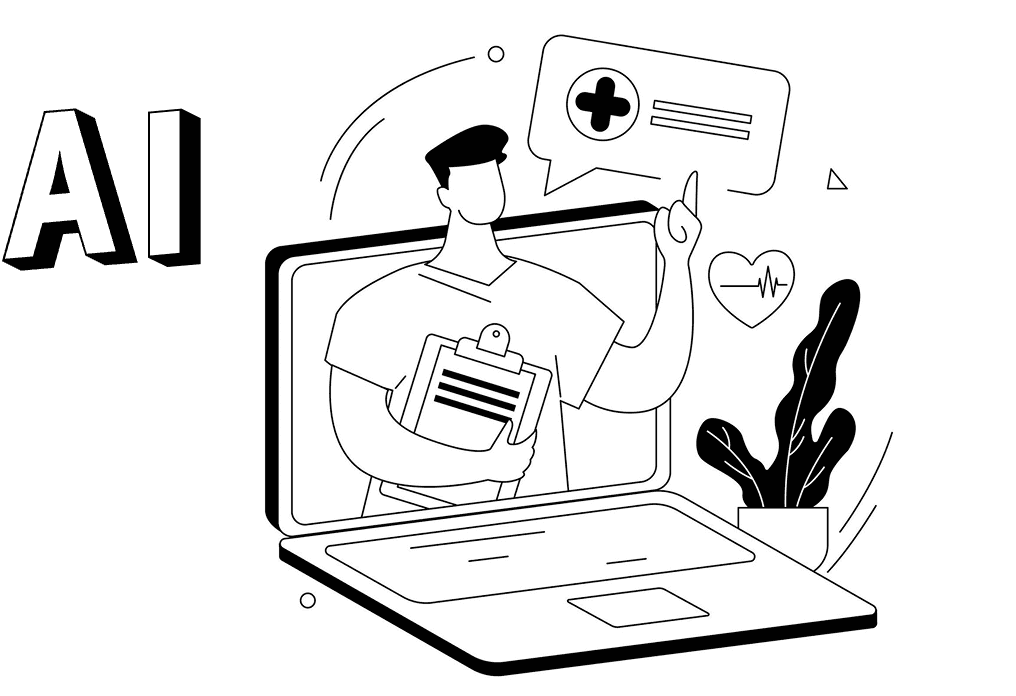
Doctor Video Explanation
AI-powered videos break down each test in clear, everyday language, reducing confusion.
Adjusts explanations based on your health history and test results for a personalized experience.
Feels like a real doctor guiding you, helping ease anxiety and improve understanding.
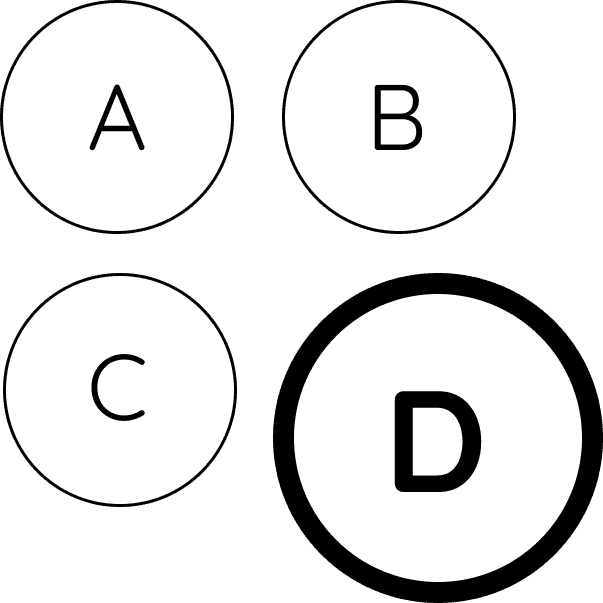
Easy-to-Read Test Grading
AI assigns color-coded labels (Normal, Borderline, Critical) for instant clarity.
Highlights key concerns so you know what needs attention first.
Encourages better health awareness and action by making results easier to interpret.
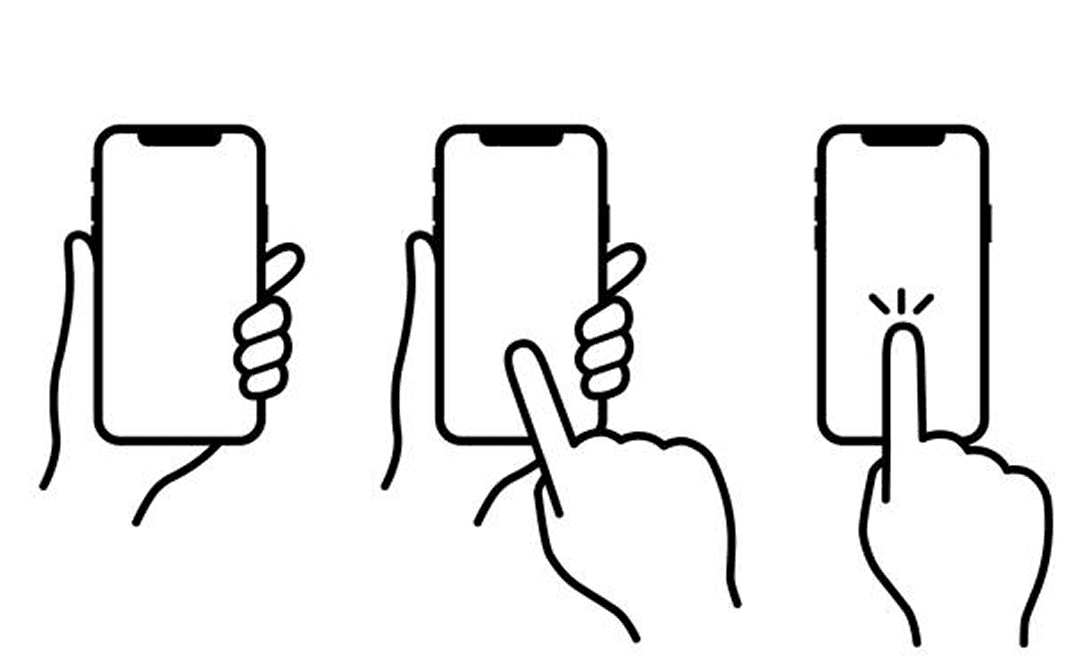
Personalized Next Steps
AI suggests lifestyle changes, follow-ups, or doctor visits, so you’re not left wondering.
Helps you take action instead of just reading numbers, bridging the gap between diagnosis and treatment.
Turns lab results into clear, practical advice, improving health outcomes.

Doctor Video Explanation
Compares past and present test results to show progress or early warning signs.
Alerts you if something needs attention, preventing potential health risks.
Uses predictive insights to keep you informed and proactive about your health.
Research
We aimed to generate innovative ideas that elevate customer experiences and unlock new business opportunities, free from technical constraints.
We Picked 50 Participant and 10 Doctors from our customer base
Key Insights
Understanding User Struggles
Interviews with 50 users revealed that 80% found lab reports overwhelming due to complex medical terms, leading to confusion and stress.
Need for Actionable Insights
75% of participants wanted reports to suggest clear next steps instead of just presenting numbers, emphasizing the need for AI-driven recommendations.
Demand for Health Tracking
70% expressed interest in comparing past and present results to track trends, highlighting the need for visual data comparisons and predictive insights.
Balancing User & Doctor Needs
Users needed simplified insights, while doctors required detailed metrics. A structured report format was necessary to cater to both perspectives.


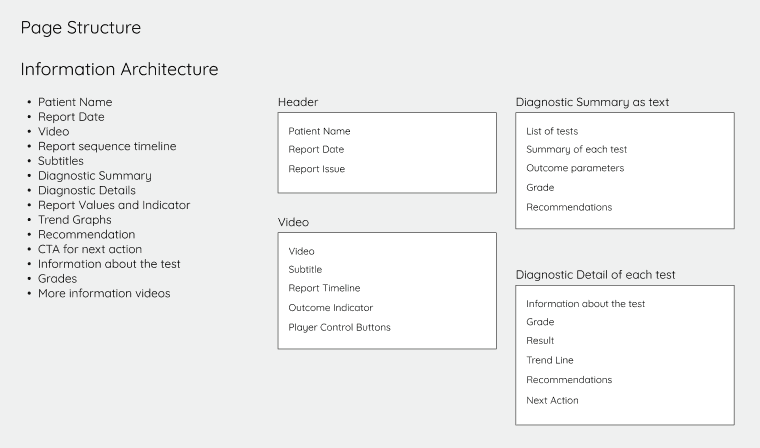
How We Transformed PDF Lab Reports into AI-Powered Videos
We automated the conversion of static lab reports into dynamic, AI-generated doctor videos, making medical data easy to understand.
Extracting Data from PDF Reports
Challenge
Lab reports vary in format and structure, making data extraction complex.
Used Optical Character Recognition (OCR) (via Tesseract OCR & AWS Textract) to extract text and numerical values from PDFs.
Implemented AI-powered data parsing to recognize key medical parameters and organize them into structured formats.
Standardized lab test names using Natural Language Processing (NLP) models to ensure consistency.
Structuring & Interpreting Data
Challenge
Lab reports often contain technical medical terms that users find difficult to understand.
Mapped extracted values to a medical knowledge base for context.
Used AI-driven classification models (TensorFlow, PyTorch) to assign color-coded test grading (Normal, Borderline, Critical)
Generated personalized insights by comparing values against medical reference ranges.
Generating AI-Powered Doctor Videos
Challenge
Creating human-like explanations without requiring manual recording was difficult.
Used Text-to-Speech (TTS) AI (Google WaveNet, Amazon Polly) to generate natural-sounding doctor narration.
Leveraged AI avatars (Synthesia, D-ID) to create lifelike doctor videos.
Combined dynamic animation tools (Adobe After Effects, Runway ML) to visually present data with charts & highlights.
Assembling & Delivering The Video
Automated video editing using FFmpeg & Python scripts to merge AI-generated narration, doctor avatars, and medical visuals.
Rendered videos in MP4 format and optimized for web & mobile delivery.
Integrated the feature into the app for on-demand access to AI-powered video reports.
Challenge
Ensuring fast, automated, and personalized video generation.
Tiny Details. Big Impact.
My exploration of UI/UX research has helped me make faster design decisions. Insights on layout, typography, and visual hierarchy have guided me in creating clean, user-friendly interfaces.

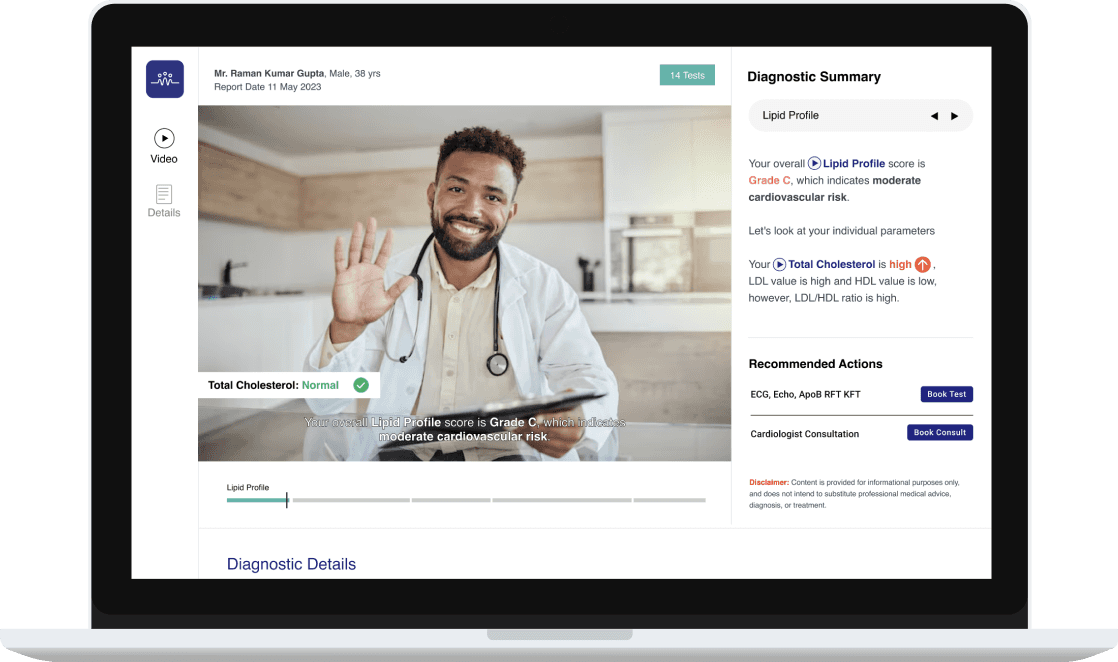
Links and indicators to know more about the medical term to understand the result better
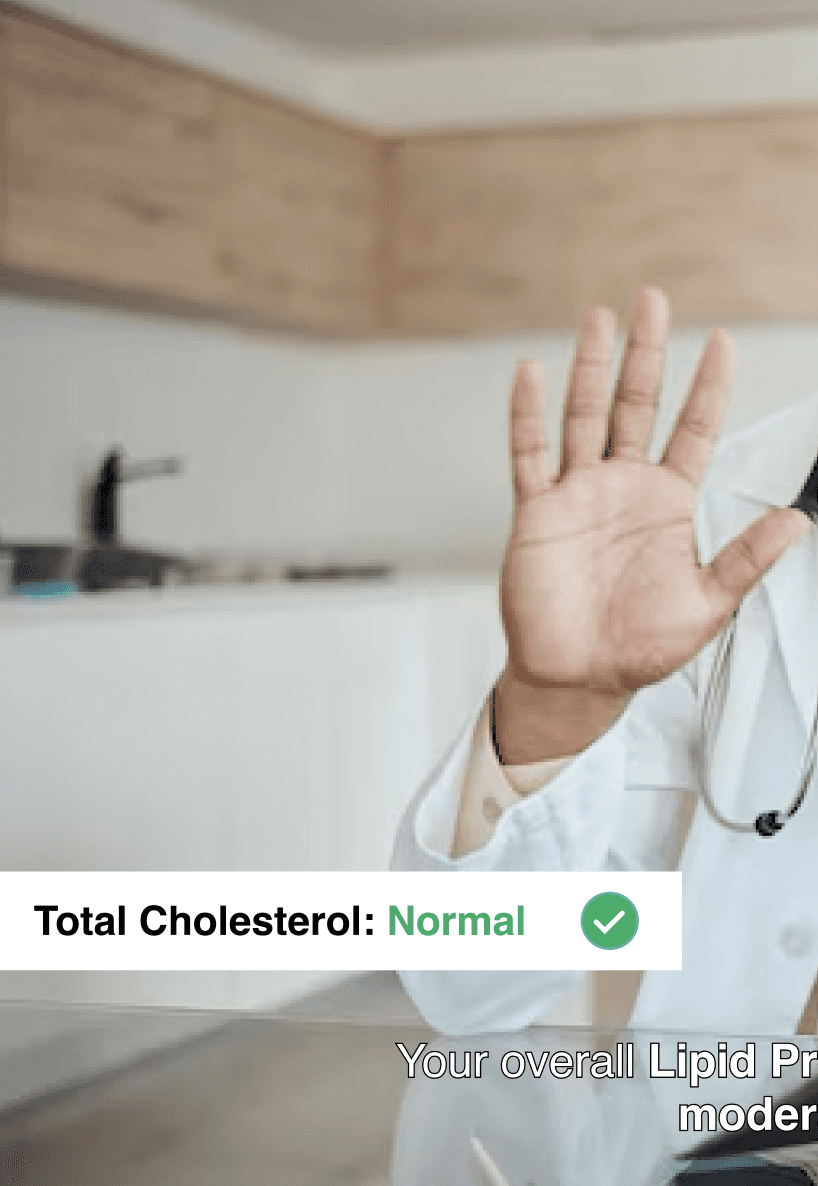
On screen test name to make sure that the user is following the conversation
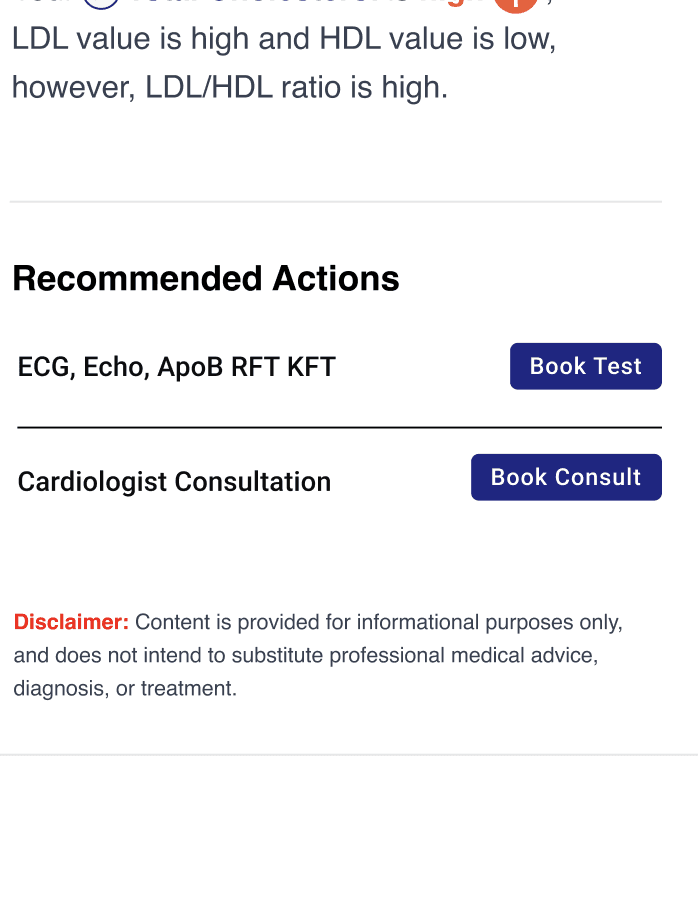
Recommended actions to help user immediately to take next step to become healthy

Bite size videos to help user understanding the medical terms in simple language
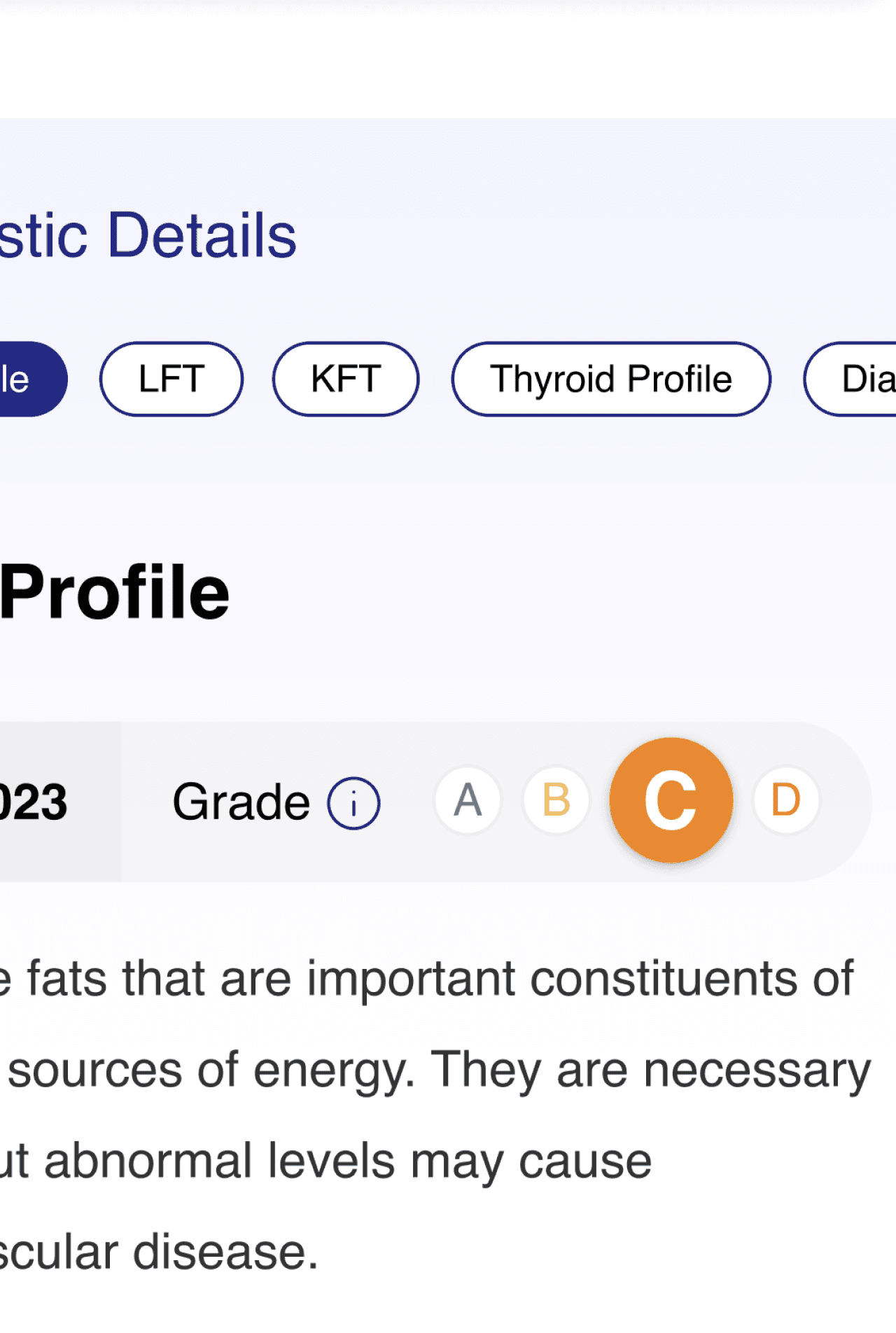
Grade to understand the severity of the current condition

Trend-line to understand and compare the health condition with the past data